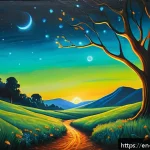
Hey everyone! Ever just stop and look up at the night sky and feel absolutely tiny but also incredibly connected to something ancient and vast? I know I have.
There’s just something magical about how nature transforms when the sun goes down, revealing breathtaking beauty that artificial lights can never quite replicate.
From shimmering aurora dancing across the Arctic to a million stars blazing over a silent desert, these are the moments that truly stick with you, sparking a sense of wonder we often forget in our busy lives.
I’ve personally chased a few of these ethereal views, and trust me, they’re worth every single effort. Trust me, the feeling of witnessing these natural wonders under a blanket of stars is something you’ll never forget.
Ready to uncover some of the world’s most mesmerizing natural nightscapes? Let’s dive right in and explore them together!
Chasing the Cosmic Ribbon: Aurora Adventures
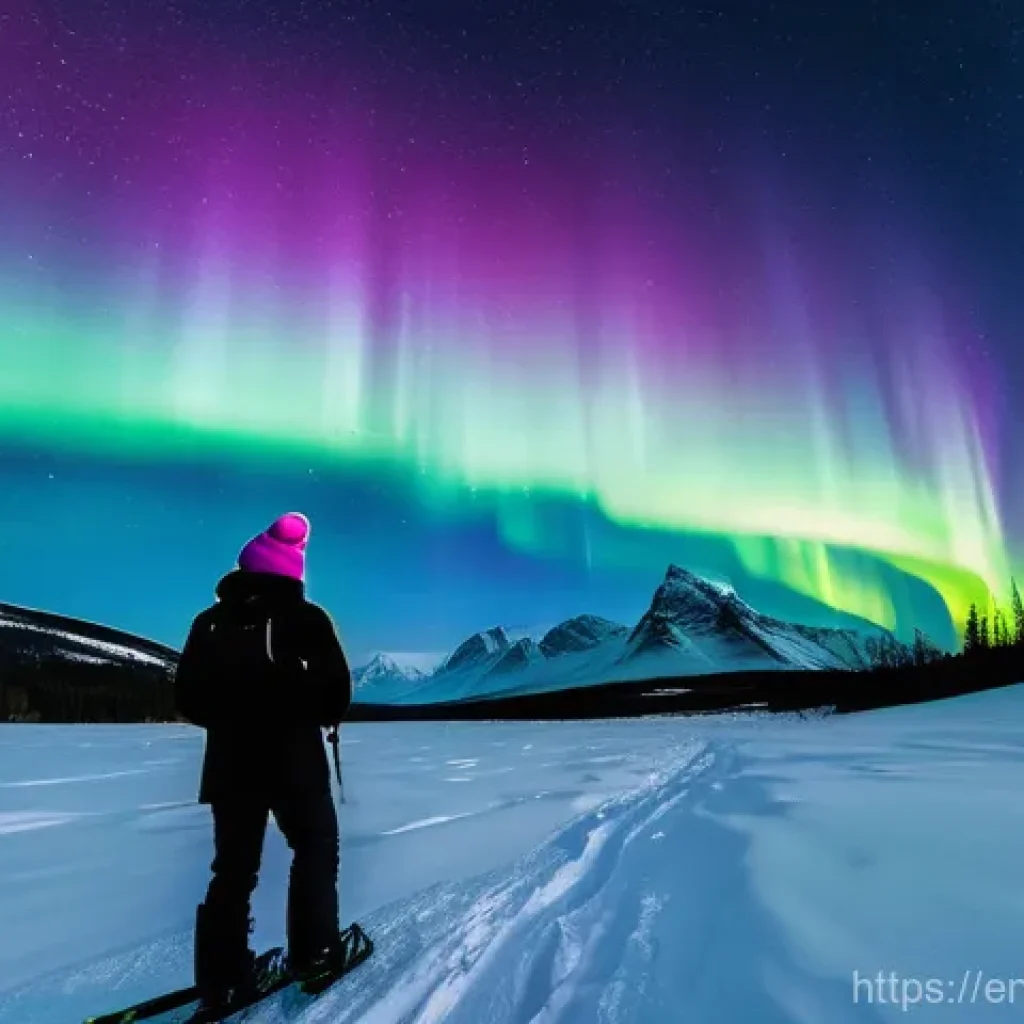
There’s simply nothing quite like seeing the aurora borealis, or its southern counterpart, the aurora australis, for the very first time. I remember standing under the vast, inky sky in Iceland, completely bundled up against the biting cold, when suddenly the faintest green started to shimmer on the horizon.
My breath caught in my throat. Within minutes, the sky exploded with waves of emerald, violet, and pink, dancing and swirling overhead like a celestial ballet.
It wasn’t just beautiful; it was profoundly moving, a raw, powerful display of nature’s artistry that made me feel incredibly small yet utterly connected to the universe.
Trust me, photos and videos barely do it justice; you truly have to see it to believe it, and the emotional impact is something that will stay with you forever.
It’s an experience that resets your perspective, reminding you of the incredible wonders our planet holds.
The Northern Lights: A Dance of Colors
The Northern Lights are what most people dream of, and for good reason! These vibrant atmospheric light shows are caused by solar particles colliding with gases in Earth’s atmosphere, primarily around the magnetic poles.
The best places to catch this spectacle are typically in the aurora oval, covering regions like Alaska, Canada, Iceland, Norway, Sweden, and Finland. I’ve heard stories from friends who waited for days, braving sub-zero temperatures, only for the lights to finally appear, making every moment of anticipation absolutely worth it.
The feeling of seeing those emerald and violet curtains ripple across the sky, often accompanied by faint crackling sounds if you’re lucky and quiet enough, is pure magic.
It’s an experience that really puts life’s little stresses into perspective and leaves you with a deep sense of wonder and appreciation for our planet’s incredible natural phenomena.
Southern Hemisphere’s Secret: Aurora Australis
While less frequently talked about, the Aurora Australis, or Southern Lights, is just as stunning as its northern sibling, but a bit harder to reach for most.
You’ll need to venture to high southern latitudes, such as Tasmania, New Zealand (especially Stewart Island), or even Antarctica. I know a keen photographer who spent weeks in a remote part of New Zealand, just hoping for a glimpse, and when it finally happened, he described it as a vibrant, silent fireworks display.
The sky truly turns into a canvas of shifting greens, reds, and blues. Because these locations are often less populated, the darkness is even more profound, making the colors of the aurora pop with an intensity that can truly take your breath away.
It’s definitely on my personal bucket list!
Planning Your Aurora Expedition
To maximize your chances of seeing the aurora, timing is everything. The best time is usually during the darkest months of winter, from late September to late March in the Northern Hemisphere, and March to September in the Southern.
Look for clear, cloudless nights away from city lights, and check aurora forecasts – there are several reliable apps and websites that predict solar activity.
I always recommend booking tours with local guides who know the best viewing spots and can provide warmth and hot drinks! Dress in layers, because it gets seriously cold, and don’t forget a camera with a wide-angle lens and a sturdy tripod.
A thermos of hot chocolate or coffee isn’t just a comfort; it’s a necessity for those long waits under the starry sky, adding to the whole unforgettable adventure.
Under a Blanket of Stars: Desert Night Skies
There’s something incredibly primal about the desert at night. The vast, open expanses, the crisp, dry air, and the sheer silence create an almost spiritual connection to the cosmos above.
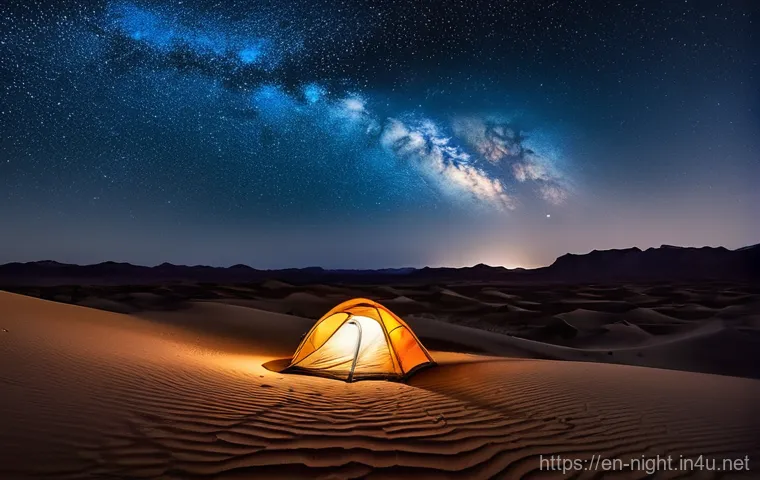
I remember camping deep in the Atacama Desert in Chile, one of the driest places on Earth. As the last sliver of sun dipped below the horizon, plunging the landscape into complete darkness, the stars began to emerge, not in dozens or hundreds, but in what felt like billions.
The Milky Way wasn’t just a faint band; it was a swirling river of light, so dense I felt like I could reach out and touch it. It was a humbling experience, highlighting the incredible scale of the universe and our tiny place within it.
The absence of light pollution in these remote regions truly offers an unparalleled stargazing experience that makes you feel a profound sense of awe and belonging in the grand scheme of things.
Why Deserts are Stargazer’s Paradises
Deserts offer some of the clearest, darkest skies on the planet, making them prime locations for stargazing. The lack of humidity means fewer atmospheric particles to scatter light, resulting in incredibly sharp and bright celestial views.
Places like the Mojave Desert in the USA, the Wadi Rum Desert in Jordan, and, of course, the Atacama, are renowned for their astronomical clarity. When you’re out there, the stars don’t just twinkle; they blaze with an intensity that can sometimes cast faint shadows on the ground.
The complete silence, broken only by the occasional rustle of desert creatures, amplifies the experience, allowing you to fully immerse yourself in the cosmic spectacle above.
It’s not just about seeing more stars; it’s about experiencing the night sky in its most pristine and majestic form.
Preparing for Your Desert Stargazing Trip
A desert night can be surprisingly chilly, even after a scorching day, so layers are essential. Think warm jackets, hats, and gloves. Bring plenty of water, as hydration is key in dry climates.
For stargazing, a red-light headlamp is incredibly useful as it preserves your night vision, unlike white light. Binoculars or a portable telescope can enhance your viewing, bringing distant galaxies and nebulae into clearer focus.
Don’t forget a comfortable camp chair or a blanket to lie on – you’ll want to spend hours just gazing upwards. I also always pack a power bank for my phone and camera, as there are no outlets in the middle of nowhere!
A good map or GPS is also a must, as desert landscapes can be disorienting in the dark.
Beyond the Milky Way: Desert Wildlife at Night
While the stars are undoubtedly the main attraction, the desert comes alive with its own unique ecosystem once the sun sets. Many desert animals are nocturnal, adapted to hunt and forage under the cover of darkness.
I’ve spotted tiny scorpions glowing under UV light, heard the distant howl of coyotes, and watched bats flit across the starlit sky. These encounters add another layer of magic to the desert night.
It’s a completely different world from the daytime, with new sounds, smells, and sights that reveal the hidden life of this harsh but beautiful environment.
Just remember to give wildlife their space and observe respectfully. The quiet hum of nature around you, coupled with the dazzling display above, creates an unforgettable multi-sensory experience.
The Ocean’s Ethereal Glow: Bioluminescent Wonders
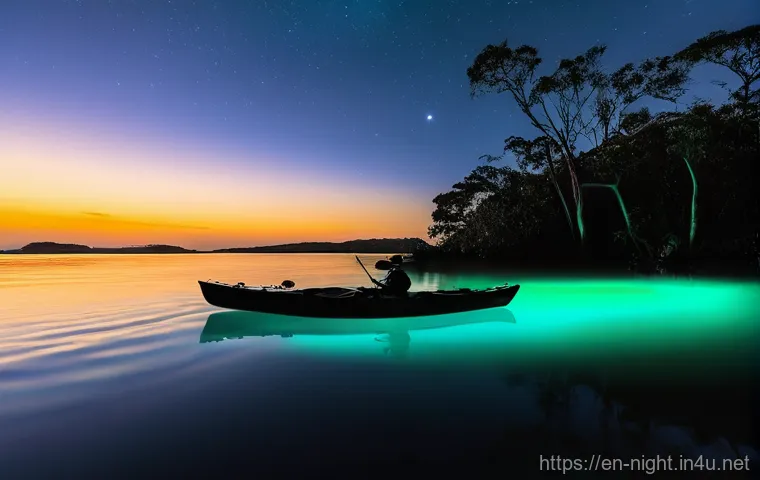
Imagine paddling a kayak through still waters, and with every stroke of your paddle, the water around you lights up with a magical, otherworldly glow.
That’s exactly what happened to me in a bioluminescent bay in Puerto Rico. It felt like I was gliding through liquid starlight, a scene straight out of a fantasy movie.
The microscopic organisms, called dinoflagellates, emit light when disturbed, creating this stunning natural phenomenon. It’s an incredibly humbling experience to witness nature creating such a vibrant and fleeting light show right beneath your hands.
The vivid, glowing trails left by fish darting through the water are something you’ll never forget, making you feel truly connected to the hidden wonders of the ocean.
Waves of Light: Nature’s Neon Display
Bioluminescence isn’t just confined to dinoflagellates; it can be found in various marine life, from jellyfish to certain types of plankton. The most famous displays often occur in calm, warm, nutrient-rich waters.
The light emitted is typically a cool blue-green, but I’ve heard tales of rarer, more intense glows. The beauty of it is that it’s an active light show; the movement of the water, a fish swimming by, or your hand passing through it, triggers the luminescence.
It’s a dynamic and interactive experience that makes you feel like you’re part of the magic, not just an observer. This interaction with the environment is what makes bioluminescent experiences so special and memorable for anyone lucky enough to witness them.
Where to Find the Glowing Waters
Some of the most renowned bioluminescent bays include Mosquito Bay in Vieques, Puerto Rico (which I can personally vouch for as incredible!), Luminous Lagoon in Jamaica, and certain spots in the Maldives where glowing plankton sometimes wash up on the beaches, creating “sea of stars” effects.
There are also less consistent but equally stunning occurrences in places like San Diego, California, during red tide events, or in parts of Australia.
Researching the best time of year and moon phase (new moon is always best for maximum darkness) is crucial for increasing your chances of seeing these spectacular natural light shows.
Local tour operators are usually the best source of up-to-date information on conditions and prime viewing locations.
Experiencing the Magic Responsibly
When visiting bioluminescent bays, it’s vital to be a responsible tourist. These ecosystems are fragile. Many tours prohibit swimming to protect the delicate balance of the organisms.
Always choose eco-friendly tour operators who use electric motors or paddles to minimize disturbance. Avoid using harsh chemicals like bug spray or sunscreen right before entering the water, as these can harm the dinoflagellates.
My personal rule of thumb is to treat these places like precious jewels; admire their beauty without leaving a trace. By respecting these natural wonders, we ensure that future generations can also experience the profound awe and wonder of glowing waters.
Lunar Magic: Witnessing Moonlight’s Transformation
While everyone marvels at the stars, we often forget the incredible beauty and dramatic transformations brought by our closest celestial neighbor, the Moon.
There’s a distinct feeling that washes over you when you’re standing in a landscape bathed solely in moonlight – it’s softer, more mystical, and utterly captivating.
I vividly recall a full moon night during a hike in Zion National Park. The towering sandstone cliffs, usually vibrant in daylight, were rendered in stunning shades of silver and deep shadow, creating a completely new and awe-inspiring perspective of a familiar place.
The world felt ancient and hushed, the moonlight revealing details that sunlight often overpowers, making for an unforgettable, almost spiritual, encounter with nature.
The Full Moon’s Grandeur: Illuminating Landscapes
A full moon is more than just a bright orb in the sky; it’s a powerful natural illuminator that can transform entire landscapes. From snow-covered mountains to ocean waves, the light of a full moon turns familiar sights into ethereal scenes.
I’ve seen forests take on a ghostly glow and desert landscapes become intricate tapestries of light and shadow, all under the moon’s silent watch. For photographers, a full moon provides just enough light for stunning long-exposure shots, capturing details that would be invisible under a new moon.
It’s a fantastic time for night hikes, offering a unique opportunity to explore trails and natural wonders without artificial light, allowing your eyes to adjust and perceive the world in a beautifully softened palette.
Lunar Rainbows and Other Rare Sights
Beyond the everyday beauty, the moon can occasionally conjure truly rare and magical phenomena. One of the most enchanting is the “moonbow,” or lunar rainbow, which occurs when moonlight is refracted through water droplets, much like a daytime rainbow, but much fainter and usually appearing white.
I haven’t been lucky enough to see one yet, but I’ve heard tales from friends who witnessed them over waterfalls on a perfectly clear, full moon night, describing them as almost ghost-like arcs of light.
Other lunar spectacles include moon halos, caused by ice crystals in the atmosphere, and the stunning “supermoon” and “blood moon” eclipses, which offer their own dramatic visual treats.
Each of these events offers a unique and memorable way to experience the moon’s power and beauty.
Capturing Moonlight’s Charm
Photographing the moonlit landscape requires a different approach than daytime or starlit photography. A sturdy tripod is non-negotiable for long exposures.
For the moon itself, you’ll want a telephoto lens to capture its craters and details. When shooting landscapes bathed in moonlight, a wide-angle lens works wonders.
The key is to find the right balance between exposure time and aperture to capture both the moon’s brightness and the illuminated foreground without overexposing either.
I’ve found that experimenting with different settings and embracing the subtle light can lead to incredibly moody and artistic shots that truly convey the mystical feeling of a moonlit night.
Patience and a good eye for composition are your best friends here.
Volcanic Spectacles After Dark: Fiery Visions
There’s a raw, untamed power to volcanoes, and that power is amplified tenfold when viewed at night. The glowing rivers of lava, the fiery explosions, and the simmering craters create a mesmerizing spectacle that feels like looking directly into the Earth’s beating heart.
I once stood a safe distance from a flowing lava field in Hawaii, and the heat radiating from it was intense, even from afar. The lava’s molten orange and red hues contrasted dramatically against the pitch-black night sky, creating a hypnotic, almost primeval scene.
It was a stark reminder of the planet’s dynamic forces and an experience that completely blew me away with its sheer power and beauty.
Lava’s Nocturnal Embrace: A Fiery Contrast
When the sun sets, the vibrant, glowing lava of an active volcano truly comes into its own. The contrast between the molten rock and the darkness makes the lava streams appear even more intense and brilliant.
I’ve always found it fascinating how the flowing lava carves new landscapes in real-time, its destructive power simultaneously creating something new and spectacular to behold.
The way the light plays off the smoke and ash plumes adds another layer of drama, often painting the sky above with an eerie, fiery glow. It’s a powerful visual metaphor for creation and destruction, a natural phenomenon that reminds us of the constant, dynamic forces shaping our world.
Safe Viewing of Active Volcanoes
Safety is paramount when visiting active volcanoes. Always adhere to local guidelines, designated viewing areas, and park ranger instructions. Volcanic gases can be hazardous, and lava flows are unpredictable.
I highly recommend joining guided tours with experienced local operators who understand the terrain and the volcano’s current activity. They’ll ensure you have the best and safest viewing experience.
Never venture off marked trails, and be prepared for changing conditions, including sudden weather shifts or gas emissions. Being respectful of the volcano’s immense power is key to having a safe and unforgettable encounter with these fiery giants.
The Geothermal Glow: Beyond Lava Flows
Even dormant or less active volcanic regions can offer incredible nightscapes due to geothermal activity. Think of steam vents glowing faintly in the moonlight, or hot springs radiating warmth into the cool night air.
Places like Yellowstone National Park, for example, reveal a different kind of magic at night, with geysers erupting under a blanket of stars and colorful hot springs emitting subtle glows.
The air often carries a unique, sulfuric scent, adding to the immersive experience. These areas offer a softer, more mysterious volcanic nightscape, showcasing the Earth’s internal heat in a less dramatic but equally fascinating way.
It’s a chance to see how the planet breathes, even when no lava is flowing.
Mountain Peaks and Celestial Feasts: High Altitude Stargazing
There’s an undeniable allure to escaping the urban sprawl and heading to higher ground for a truly epic stargazing experience. I’ve often found that the higher you go, the clearer and more vibrant the night sky becomes, almost as if the mountains are pushing you closer to the heavens.
I remember a particularly crisp night camping in the Rockies; the air was thin and cold, but the sky was absolutely ablaze with stars. The Milky Way stretched across the zenith like a shimmering cloud, and shooting stars streaked by with surprising frequency.
It wasn’t just beautiful; it was incredibly peaceful and humbling, making me feel a profound connection to the vastness beyond our world.
Why Altitude Matters for Stargazing
The simple truth is, the higher you ascend, the less atmosphere you’re looking through. This reduction in atmospheric interference means less light scattering and distortion, leading to sharper, brighter views of celestial objects.
Mountain environments also tend to be far away from urban centers, minimizing light pollution. I’ve personally noticed a dramatic difference between stargazing at sea level versus even a few thousand feet up – the clarity is simply incomparable.
Combine that with typically drier air in many mountain ranges, and you have a recipe for some of the best natural nightscapes on Earth. The extra effort to get to these elevated spots is always rewarded with an astronomical show that will leave you speechless.
Iconic Mountain Observatories
Many of the world’s most famous astronomical observatories are strategically located on high mountain peaks for these very reasons. Places like Mauna Kea in Hawaii, with its incredibly dry air and high altitude, or the European Southern Observatory in the Atacama Desert’s mountains, offer some of the best professional viewing conditions.
While public access to some of the highest research telescopes might be limited, many observatories offer public viewing nights or educational programs, allowing you to experience the wonders of the universe through powerful instruments.
I’ve always found it inspiring to visit these places, knowing that groundbreaking discoveries about our cosmos are being made right there, under those same incredible skies.
Essential Gear for Alpine Night Photography
Capturing the beauty of mountain nightscapes and stars can be challenging but incredibly rewarding. Here’s some gear I always recommend for aspiring night photographers, especially in alpine environments:
| Gear Item | Why It’s Essential | Pro Tip |
|---|---|---|
| Sturdy Tripod | Eliminates camera shake for long exposures; crucial for sharp stars and landscapes. | Heavy-duty tripods are best for windy mountain conditions. |
| Wide-Angle Lens (f/2.8 or faster) | Captures a broad field of view, ideal for the Milky Way and expansive landscapes. | The wider the aperture, the more light you capture, reducing ISO noise. |
| Remote Shutter Release / Intervalometer | Prevents camera shake when pressing the shutter; essential for exposures longer than 30 seconds. | Use to trigger multiple shots for stacking or time-lapses. |
| Headlamp with Red Light Mode | Illuminates your path without ruining your night vision or disturbing others. | Always use red light when adjusting settings or moving around. |
| Extra Batteries | Cold temperatures drain batteries faster; you’ll need plenty for long sessions. | Keep spare batteries in a warm pocket to extend their life. |
| Warm Clothing Layers | High altitudes get very cold at night, even in summer. | Think thermal base layers, fleece, and a waterproof/windproof outer shell. |
The Silent Dance of Fireflies: Enchanting Woodland Lights
Beyond the cosmic displays, there’s a much more intimate, yet equally enchanting, natural light show that happens right here on Earth: the synchronous dance of fireflies.
I had the unbelievable fortune to witness a truly spectacular display in a national park once, where thousands upon thousands of these tiny creatures blinked in perfect unison, creating a pulsating, living light show in the trees around me.
It felt like walking through a fairytale, a magical, fleeting moment that brought out the inner child in me. The air was filled with a soft, warm glow, and the silence was only broken by the occasional chirp of crickets, making the experience even more surreal and captivating.
Synchronized Sparkle: Firefly Displays
While individual fireflies are a common sight on warm summer evenings, certain species, particularly in specific regions, exhibit an incredible synchronized flashing behavior.
This phenomenon, which serves as a mating signal, transforms entire forests or meadows into living light installations. It’s a truly breathtaking sight, far more impressive than sporadic individual flashes.
The rhythmic pulsing of light creates an almost meditative atmosphere, drawing you into the natural world in a way few other experiences can. It’s a testament to the incredible complexities and wonders of animal communication, all wrapped up in a beautiful, glowing package.
Protecting These Luminous Creatures
Firefly populations are sadly on the decline in many areas due to habitat loss, pesticide use, and, significantly, light pollution. The artificial lights of human settlements can disrupt their delicate communication signals, making it harder for them to find mates.
It’s crucial that we protect these magical insects by preserving their habitats, minimizing our use of harmful chemicals, and, importantly, reducing light pollution.
When you visit firefly viewing areas, always stick to designated paths, avoid using bright flashlights, and never attempt to capture them. Our responsible behavior ensures that future generations can also experience the wonder of their silent, twinkling dance.
Finding the Best Firefly Viewing Spots
To witness synchronized fireflies, you need to know where and when to look. The best displays typically occur in specific regions during warm, humid summer nights.
Popular spots include the Great Smoky Mountains National Park in the USA, where the *Photinus carolinus* species puts on an annual show, and various locations in Southeast Asia, particularly Thailand and Malaysia, known for their mangrove firefly colonies.
Researching local conditions and peak season (often late May to early July in North America) is key. Joining guided tours or visiting designated viewing events can also increase your chances and provide valuable insights into these fascinating creatures.
Remember, patience is a virtue, and the reward is truly extraordinary.
Final Thoughts
What a journey we’ve taken through the world’s most breathtaking natural light shows, from the ethereal dance of the auroras to the silent sparkle of fireflies.
Each one offers a unique window into the magic of our planet and the vastness of the cosmos. I truly hope these stories have ignited a spark within you, inspiring you to step away from the screen and experience these wonders firsthand.
There’s something profoundly humbling and exhilarating about witnessing nature’s raw beauty, and these experiences are treasures that stay with you, reshaping your perspective long after the lights fade.
Handy Tips for Your Next Adventure
Planning to chase some of these incredible natural light phenomena yourself? Here are a few invaluable tips I’ve picked up over my years of exploring, which I wish someone had told me sooner!
-
Check the Forecasts Religiously
For celestial events like auroras or meteor showers, solar activity and clear skies are your best friends. I always use apps like ‘Aurora Forecast’ or ‘Dark Sky’ to stay updated. Seriously, a cloudy night can ruin even the strongest aurora display, so flexibility with your dates can make all the difference. Knowing the moon phase is also crucial; a new moon offers the darkest skies for stargazing and bioluminescence, making the faint glows much more visible. It’s all about timing!
-
Dress for Success (and Warmth!)
Whether you’re in the Arctic chasing the Northern Lights or a desert at night, it gets surprisingly cold. Layering is non-negotiable. Think thermal base layers, a good fleece, and a waterproof, windproof outer shell. Hand warmers and a thermos of hot coffee or chocolate are my secret weapons against the chill. Trust me, being comfortable allows you to truly enjoy the experience without shivering your way through it. I learned this the hard way on a particularly windy night in Iceland!
-
Embrace the Dark (and ditch the phone flashlight!)
Your night vision takes about 20-30 minutes to fully adjust to the darkness. White light from phones or regular flashlights will instantly reset this, effectively blinding you to the faint wonders of the night sky. Invest in a headlamp with a red light mode. It preserves your night vision and is courteous to other stargazers or photographers around you. This simple change drastically improves your viewing experience.
-
Photography Gear: Don’t Forget the Essentials
If you’re planning to capture these moments, a sturdy tripod is absolutely essential for long-exposure shots. A wide-angle lens with a fast aperture (f/2.8 or lower) is ideal for auroras and the Milky Way. Don’t forget extra batteries; cold weather drains them quickly! A remote shutter release also helps prevent camera shake. Even if you’re just using a phone, many newer models have decent night modes, but a small tripod adapter can still make a huge difference.
-
Go with a Local Guide When Possible
Especially for auroras, volcanic sites, or less accessible bioluminescent bays, local guides are invaluable. They know the best, safest viewing spots, understand weather patterns, and can often provide insights into the science and local folklore that enrich the experience. Their expertise can truly elevate your adventure, and they often have the necessary permits or access to areas you wouldn’t find on your own. It’s an investment that often pays off handsomely.
Important Considerations
As we chase these incredible light shows, it’s crucial to remember that we are guests in nature’s grand theater. Our presence should always be respectful and mindful of the delicate ecosystems that create these phenomena. Always prioritize safety; whether it’s adhering to volcanic exclusion zones or understanding marine conservation rules in bioluminescent bays, your well-being and the health of the environment go hand-in-hand. Furthermore, minimizing light pollution in your own communities, even just by choosing downward-facing outdoor lighting, can help protect dark skies for both wildlife and future stargazers. The beauty of these experiences often lies in their remote and pristine nature, so let’s all do our part to keep them that way. Travel responsibly, leave no trace, and truly immerse yourself in the awe-inspiring magic without disrupting it. These are not just fleeting moments of light; they are precious reminders of our planet’s incredible vibrancy, and it’s up to all of us to ensure they continue to shine for generations to come.
Frequently Asked Questions (FAQ) 📖
Q: I’m completely hooked by your intro! For someone dreaming of witnessing these wonders, what are some of the absolute must-see natural nightscapes, and how can I pick one for my first adventure?
A: Oh, I totally get that feeling! It’s like unlocking a secret level of beauty the world hides during the day. If you’re ready to dive in, there are a few natural nightscapes that simply steal your breath away, and I’ve been lucky enough to experience a couple firsthand.
First up, you have to consider the Aurora Borealis, or Northern Lights. My first time seeing them dance across the sky in Iceland felt like I was watching a living, breathing painting – greens, purples, and even reds swirling with an otherworldly glow.
It’s an incredibly humbling experience. Then there’s the sheer majesty of the Milky Way in a truly dark sky preserve. I remember lying on my back in the Nevada desert, far from any city lights, and feeling like I could reach out and touch a million diamonds scattered on black velvet.
It wasn’t just stars; it was the entire galactic arm visible, stretching across the sky in a way you simply can’t imagine until you see it. For something utterly unique, bioluminescent bays are phenomenal – imagine kayaking through water that lights up with every stroke!
It’s like magic right under your fingertips. When picking your first adventure, think about what calls to you most. Do you want vibrant, dancing colors (Aurora), an ancient, star-filled spectacle (Milky Way), or something truly interactive and ethereal (bioluminescence)?
Each offers a vastly different, unforgettable experience, and honestly, you can’t go wrong with any of them. Just researching photos and stories of each can help you feel that initial pull!
Q: These sound incredible! But experiencing natural nightscapes sounds like it might require a lot of planning. What’s the best way to prepare for a night adventure to maximize the magic and ensure a comfortable experience?
A: That’s a fantastic question, and you’re right, a little preparation goes a long way in turning a good experience into an absolutely legendary one! From my own trial and error, I’ve learned a few golden rules.
First, darkness is your friend. Seriously, research “dark sky parks” or “light pollution maps” to find locations far away from city glow. The difference is night and day – pun intended!
Second, timing is everything. For star gazing, check the moon phase; a new moon means darker skies and more visible stars. For auroras, you need clear skies and geomagnetic activity, so a good aurora forecast app is essential.
I always pack layers, even in what seems like mild weather, because nights can get surprisingly chilly, especially when you’re standing still, gazing upwards.
A red-light headlamp is a game-changer – it preserves your night vision and is just respectful to others. And honestly, don’t forget a thermos with hot coffee or tea; it makes waiting for that perfect moment so much cozier.
Most importantly, I encourage everyone to put their phone away for a while. Resist the urge to constantly snap photos (unless you’re really into astrophotography, of course!) and just be in the moment.
Let your eyes adjust, breathe in the night air, and truly soak it all in. That’s where the real magic happens, I promise.
Q: I love the idea of disconnecting and enjoying the moment. However, I’m a bit concerned about safety when visiting remote locations at night.
A: re these places generally safe, and what steps can I take to ensure a secure and enjoyable trip, especially if I’m not a seasoned adventurer? A3: That’s a totally valid concern, and it’s super important to prioritize safety, especially when you’re exploring new or remote areas after dark.
The good news is, many of the best natural nightscape spots, particularly designated dark sky parks or popular viewing areas, are generally quite safe and well-managed.
I’ve often found them to be surprisingly peaceful and welcoming. My top advice? Always do your homework beforehand.
A quick search for “safety tips for [location name]” or checking local tourism websites can give you a wealth of information. If you’re nervous about venturing out alone, consider joining a guided tour.
Many places offer specialized night tours, often led by experienced naturalists or photographers who know the area inside and out and can point out constellations or explain aurora science.
I’ve joined a few and they’re fantastic – you learn so much and feel completely secure. Always let someone know your itinerary, even if it’s just a friend or family member back home, and make sure your phone is fully charged.
Stick to marked trails if you’re hiking, and avoid going off-path in unfamiliar terrain. And here’s a big one: trust your gut. If a situation feels off, it probably is.
But honestly, with a little common sense and preparation, the rewards of these experiences far outweigh any worries. You’ll be amazed at how many incredible spots are accessible and offer a safe, awe-inspiring night out.