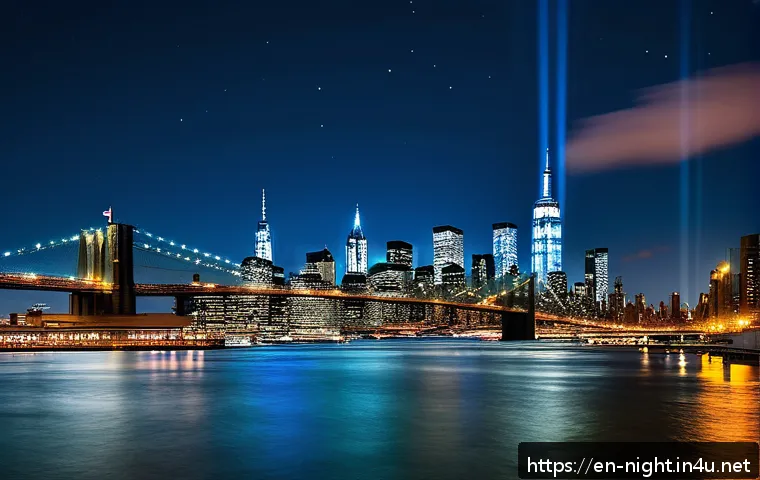
As cities around the world light up in dazzling displays, nightscapes have become a captivating way to experience urban life beyond daylight hours. With recent advancements in sustainable lighting and architectural innovations, exploring these illuminated skylines offers both visual delight and cultural insight.
Whether you’re a seasoned traveler or simply curious about the magic cities hold after dark, this guide unveils seven breathtaking destinations where night views will truly mesmerize you.
Get ready to be spellbound by the unique charm and vibrant energy that only nighttime cityscapes can deliver. Let’s dive into these luminous urban wonders that promise unforgettable memories.
Enchanting Skylines: Where Lights Tell Stories
Urban Canvases Painted with Light
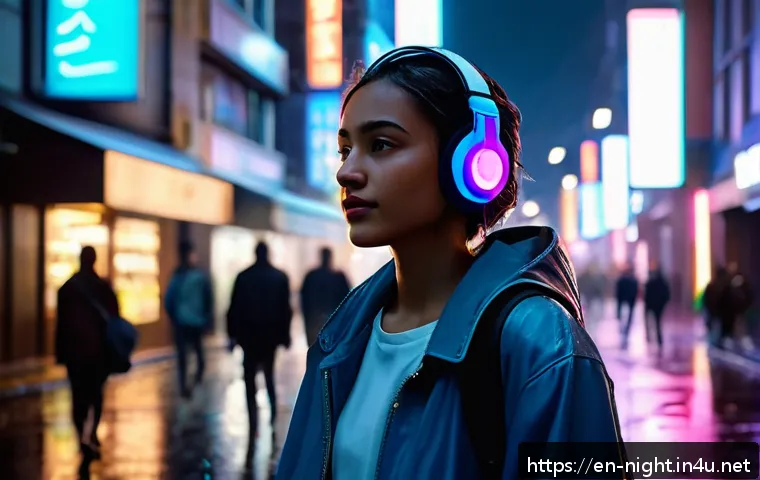
Cities at night transform into living artworks, where every illuminated building and street lamp contributes to a dynamic urban tapestry. Walking through these spaces feels like stepping into a movie set, with neon signs flickering and architectural marvels glowing in synchronized harmony.
What fascinates me most is how designers blend technology and creativity to craft these nocturnal masterpieces, making each cityscape not just a view but a narrative.
For example, some cities use color-changing LEDs on landmarks to commemorate events or celebrate cultural festivals, turning the skyline into a storyteller that connects locals and visitors alike.
Architectural Innovations Amplifying Nighttime Beauty
Recent advancements in sustainable lighting have revolutionized how cities showcase their architecture after dark. I’ve noticed that many urban planners now prioritize energy efficiency without compromising on visual impact.
Techniques like smart lighting systems adjust brightness based on pedestrian presence, reducing waste while enhancing safety and ambiance. This shift means you get to enjoy mesmerizing views that are eco-friendly, which adds a layer of satisfaction when admiring these luminous wonders.
Plus, architects are increasingly designing buildings with integrated lighting features, so the structures themselves become interactive light sculptures come nightfall.
Culture Illuminated: How Night Views Reflect Local Identity
The way a city lights up at night often mirrors its cultural heartbeat. From the vibrant markets bathed in warm glows to historic districts outlined by subtle accent lighting, every element conveys a story about the people and traditions shaping the place.
For instance, some cities highlight their waterfronts or iconic monuments with lighting that evokes local legends or natural phenomena. Experiencing these illuminated spaces feels like participating in a living tradition, where light bridges past and present, inviting you to explore deeper meanings beyond the surface sparkle.
Elevated Perspectives: Discovering Cities from Above
Rooftop Bars and Observation Decks with a View
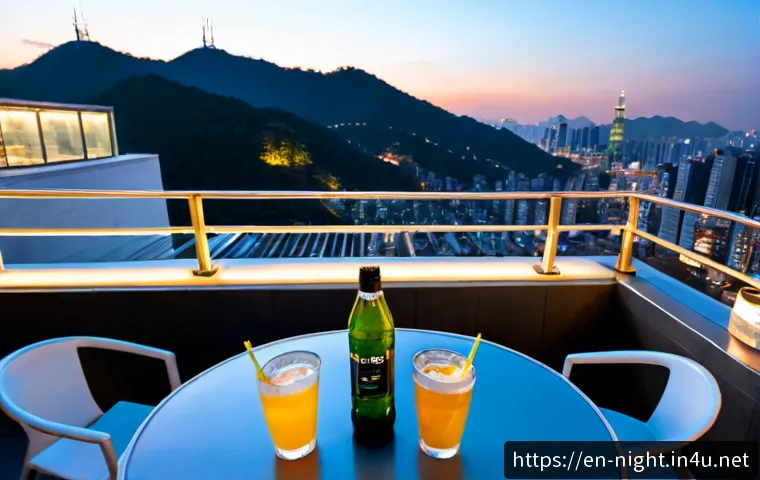
One of my favorite ways to soak in a city’s nightscape is by heading to rooftop bars or observation decks. These spots offer panoramic vistas that stretch beyond the immediate skyline, revealing patterns of light that map out the city’s rhythm.
There’s something magical about sipping a drink while gazing at a sea of twinkling lights, where each flicker represents a story unfolding below. What’s more, many rooftop venues incorporate cozy seating and ambient music, turning the entire experience into a sensory delight that combines sight, sound, and atmosphere.
Helicopter Rides and Night Cruises for Unique Angles
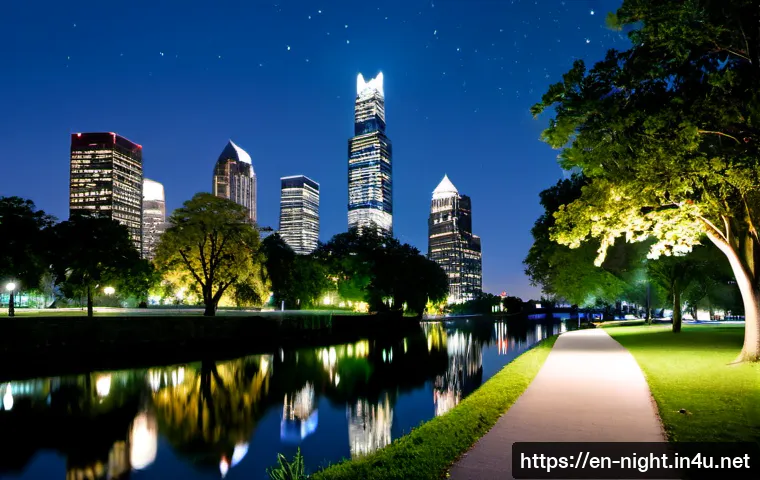
For those craving a more adventurous perspective, night helicopter tours or river cruises provide breathtaking views from unexpected vantage points. I took a night cruise once, and the way the city’s lights reflected off the water created a mesmerizing double image, like a glittering mirror.
Helicopter rides offer a bird’s-eye view where you can appreciate the city’s layout and the interplay of illuminated landmarks. These experiences often come with knowledgeable guides who share fascinating stories about the skyline’s evolution, enriching your visual journey with historical context.
Planning Your Visit for the Perfect Glow
Timing and weather conditions play crucial roles in capturing the best nighttime views. From my experience, clear nights with minimal light pollution allow the city’s lights to shine brightest, while some locations even offer special illumination events during holidays or festivals.
It’s smart to check local schedules and sunset times to arrive just as the city transitions from dusk to full night, ensuring the most dramatic lighting effects.
Also, some observation points have restricted hours or require tickets, so planning ahead can save you from missing out on these spectacular scenes.
The Role of Sustainable Lighting in Nighttime Cityscapes
Eco-Friendly Technologies Shaping Urban Nightlife
Sustainability is no longer an afterthought in city lighting; it’s a driving factor behind modern designs. Cities are adopting LED technology and solar-powered lights to minimize energy consumption while maximizing visual impact.
Having visited several such cities, I can tell you that these advancements not only reduce carbon footprints but also improve light quality, offering clearer and more vibrant nightscapes.
Smart sensors that dim or brighten based on activity levels create an adaptive environment that respects both human needs and nature’s rhythms.
Balancing Safety and Aesthetic Appeal
Lighting isn’t just about beauty—it’s essential for safety and accessibility after dark. I’ve noticed that successful urban lighting strategies find a sweet spot where streets, parks, and public spaces are well-lit without causing glare or light pollution.
This balance encourages nighttime activity, boosts local economies, and fosters a sense of security among residents and visitors. Innovative fixtures with directional lighting and warm color temperatures contribute to comfortable environments that invite exploration rather than discomfort.
Community Engagement in Lighting Projects
What often goes unnoticed is the role communities play in shaping their nighttime environments. In several cities, local input has influenced lighting choices to reflect neighborhood identity and values.
This participatory approach not only ensures that lighting meets practical needs but also strengthens civic pride. For instance, some neighborhoods organize “light festivals” where residents help design installations or vote on color schemes, turning urban lighting into a collective expression of culture and creativity.
Iconic Landmarks That Shine Bright After Dark
Transforming Monuments into Nighttime Beacons
Iconic landmarks take on a new dimension when illuminated, becoming symbols that anchor the city’s nightscape. I recall visiting a famous tower where dynamic light shows turned the structure into a dazzling spectacle, drawing crowds from all over.
These light displays often incorporate storytelling elements, such as animations or synchronized music, creating immersive experiences that go beyond static viewing.
It’s incredible how lighting can reinvent familiar monuments, making them must-see attractions after sunset.
Seasonal and Special Event Lighting
Many cities enhance their landmarks with special lighting during holidays or cultural celebrations. From holiday-themed colors to artistic projections, these temporary transformations bring excitement and fresh perspectives to well-known sites.
I once witnessed a landmark bathed in colors representing a local sports team’s victory, and the atmosphere was electric, uniting people through shared pride.
These events also boost tourism and local business, turning the nightscape into a vibrant festival space.
Interactive and Digital Light Installations
The integration of digital technology has introduced interactive lighting experiences that engage visitors in novel ways. Some landmarks now feature installations where movement, sound, or touch influences light patterns, creating a playful dialogue between people and place.
I had the chance to participate in one such installation where walking along a pathway triggered bursts of color, making me feel like part of the city’s heartbeat.
These innovations blur the lines between art, technology, and urban space, offering unforgettable nighttime adventures.
Neighborhoods That Come Alive Under City Lights
Vibrant Night Markets and Food Streets
Exploring neighborhoods renowned for their night markets reveals a different kind of glow—one filled with the warmth of bustling crowds, sizzling street food, and colorful stalls.
I love how the lighting here isn’t just functional but adds to the lively atmosphere, inviting you to linger and savor every moment. These areas often feature strings of fairy lights, lanterns, and neon signs that create an inviting maze of sensory delights.
Beyond shopping and eating, it’s about soaking in a culture that thrives after dark.
Art Districts Illuminated with Creativity
Art-centric neighborhoods use lighting as an extension of their creative spirit. Murals, sculptures, and galleries are often highlighted with carefully designed lights that accentuate textures and colors in ways daylight never could.
I remember wandering through an art district where light projections animated walls, turning the streets into open-air galleries. This fusion of art and light transforms nighttime strolls into inspiring journeys, where every corner tells a new story.
Nightlife Hubs with Dynamic Lighting Scenes
Entertainment districts leverage lighting to set moods and attract crowds. From pulsating neon signs to subtle ambient glows in chic lounges, the variety of lighting styles contributes to a vibrant nightlife ecosystem.
Having visited many such neighborhoods, I find that lighting plays a crucial role in defining the energy and character of the scene, whether it’s a laid-back jazz bar or a bustling dance club.
The interplay of light and shadow creates spaces where people come alive, connect, and create memories.
Technological Marvels Elevating Night Photography
Mastering Low-Light Cityscape Shots
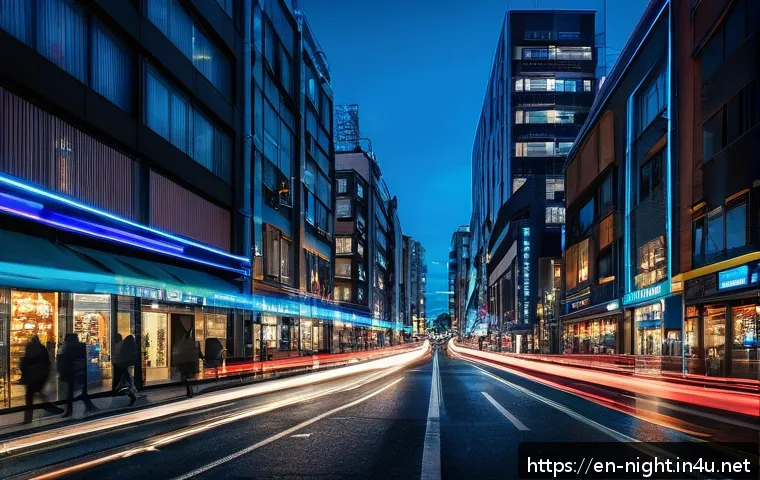
Capturing stunning nighttime photos requires understanding how light interacts with the urban environment. From my experience, using long exposure techniques reveals details invisible to the naked eye, like light trails from cars or reflections on wet pavement.
Modern cameras and smartphones increasingly offer night modes that enhance clarity and color vibrancy, making it easier for amateurs to capture professional-looking shots.
Patience and experimentation are key, as every city’s lighting conditions present unique challenges and opportunities.
Using Drones for Aerial Night Photography
Drones have opened up new possibilities for photographing cityscapes from angles once reserved for helicopters. I tried drone night photography recently, and the ability to hover quietly above illuminated landmarks provided breathtaking perspectives.
However, flying drones at night requires careful attention to regulations and safety, as well as technical skill to manage exposure and stability. When done right, drone shots can showcase the intricate geometry and light patterns of urban areas in ways ground-level photos cannot match.
Editing Tips to Enhance Nighttime Shots
Post-processing is an essential step in bringing out the best in night photos. I usually adjust brightness, contrast, and color balance to replicate the scene’s mood and atmosphere.
Techniques like noise reduction help counteract graininess common in low-light images, while selective sharpening highlights architectural details. It’s important to strike a balance between enhancing the image and maintaining authenticity, so the final photo feels true to the experience of standing beneath those glowing city lights.
Comparing Nightscape Highlights for Your Next Adventure
| City | Signature Night Feature | Best Viewing Spots | Unique Lighting Technology |
|---|---|---|---|
| New York City | Iconic skyscraper illuminations | Top of the Rock, Brooklyn Bridge Park | Dynamic LED facade lighting |
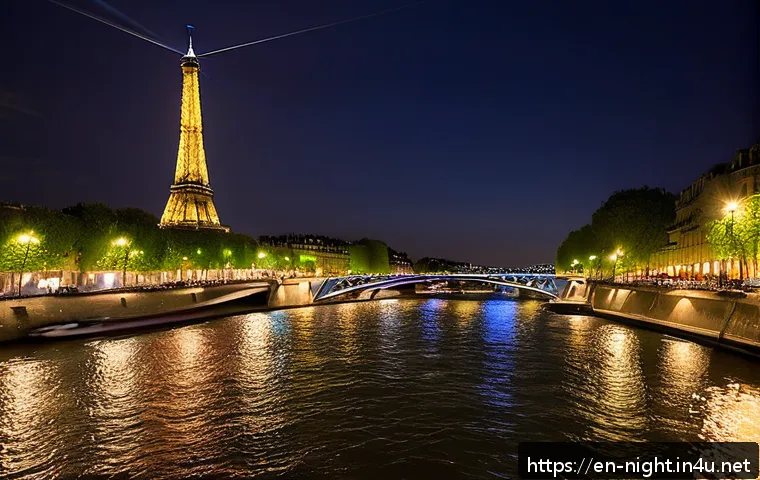
| Paris | Illuminated Eiffel Tower sparkle | Montmartre, Seine River cruises | Energy-efficient spotlight arrays |
| Dubai | Burj Khalifa LED shows | Dubai Fountain, At The Top Sky Deck | Smart color-changing LEDs |
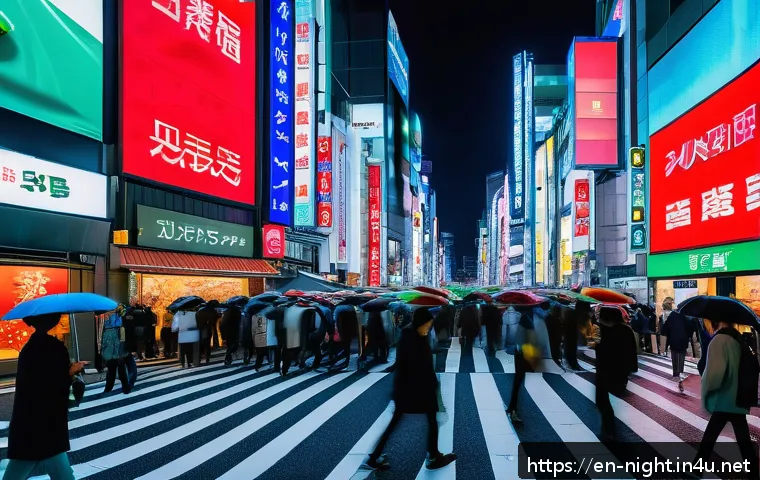
| Tokyo | Neon-lit entertainment districts | Shibuya Crossing, Roppongi Hills | Interactive digital projections |
| London | Historic landmarks with architectural lighting | London Eye, Tower Bridge | Adaptive lighting with motion sensors |
In Conclusion
Nighttime cityscapes offer more than just beautiful views—they tell stories through light, culture, and innovation. Experiencing these illuminated urban environments creates lasting memories and deepens our connection to the places we visit. Whether from street level or soaring above, each glowing skyline invites exploration and wonder. Embracing sustainable lighting ensures these magical scenes can be enjoyed for generations to come.
Helpful Information to Keep in Mind
1. Check local event calendars for special lighting shows or festivals that enhance the nightscape experience.
2. Plan your visit around clear weather and sunset times to capture the most vivid and dramatic views.
3. Consider visiting rooftop bars or observation decks early to avoid crowds and secure the best spots.
4. When photographing city lights, experiment with long exposures and use night mode features on your camera or smartphone.
5. Respect local regulations and safety guidelines, especially when using drones or attending nighttime events.
Key Takeaways
Urban lighting blends artistry and technology to create vibrant nighttime environments that reflect local culture and identity. Sustainable lighting solutions balance aesthetic appeal with energy efficiency and safety, benefiting both people and the planet. Community involvement often shapes lighting projects, fostering pride and a sense of belonging. Iconic landmarks and lively neighborhoods come alive under thoughtful illumination, offering unique experiences for visitors and residents alike. Finally, planning and preparation enhance enjoyment, whether you’re admiring the view, capturing photos, or simply soaking in the atmosphere.
Frequently Asked Questions (FAQ) 📖
Q: What makes nightscapes in cities so captivating compared to daytime views?
A: Nightscapes transform urban environments into magical realms with dazzling lights and vibrant colors that simply aren’t visible during the day. The interplay of architectural lighting, reflections on water, and illuminated landmarks creates a unique atmosphere that feels both intimate and grand.
From my own experience, walking through a city like Tokyo or Paris at night reveals a whole new personality—one filled with energy, mystery, and even romance.
It’s not just about seeing the city; it’s about feeling its pulse after dark.
Q: How do sustainable lighting technologies enhance nighttime city experiences?
A: Sustainable lighting has revolutionized how cities illuminate their skylines by reducing energy consumption and light pollution without sacrificing beauty.
Innovations like LED technology, smart lighting controls, and solar-powered installations allow cities to showcase stunning visuals while being eco-friendly.
I noticed in places like Amsterdam that these technologies create softer, more dynamic lighting that highlights architectural details and green spaces without overwhelming the environment.
This balance makes night explorations more pleasant and responsible.
Q: Which factors should I consider when planning a nightscape sightseeing trip?
A: When planning to enjoy city nightscapes, consider safety, accessibility, and timing. Some viewpoints or light shows operate only at specific hours, so checking schedules ahead is crucial.
Also, pick locations that are well-lit and frequented by locals to feel secure while wandering after dark. Weather plays a big role too—clear skies maximize visibility, so avoid rainy or foggy nights.
From personal trips, I’ve found that combining night views with nearby cafes or cultural spots enriches the experience, making it not just a visual treat but a memorable outing.