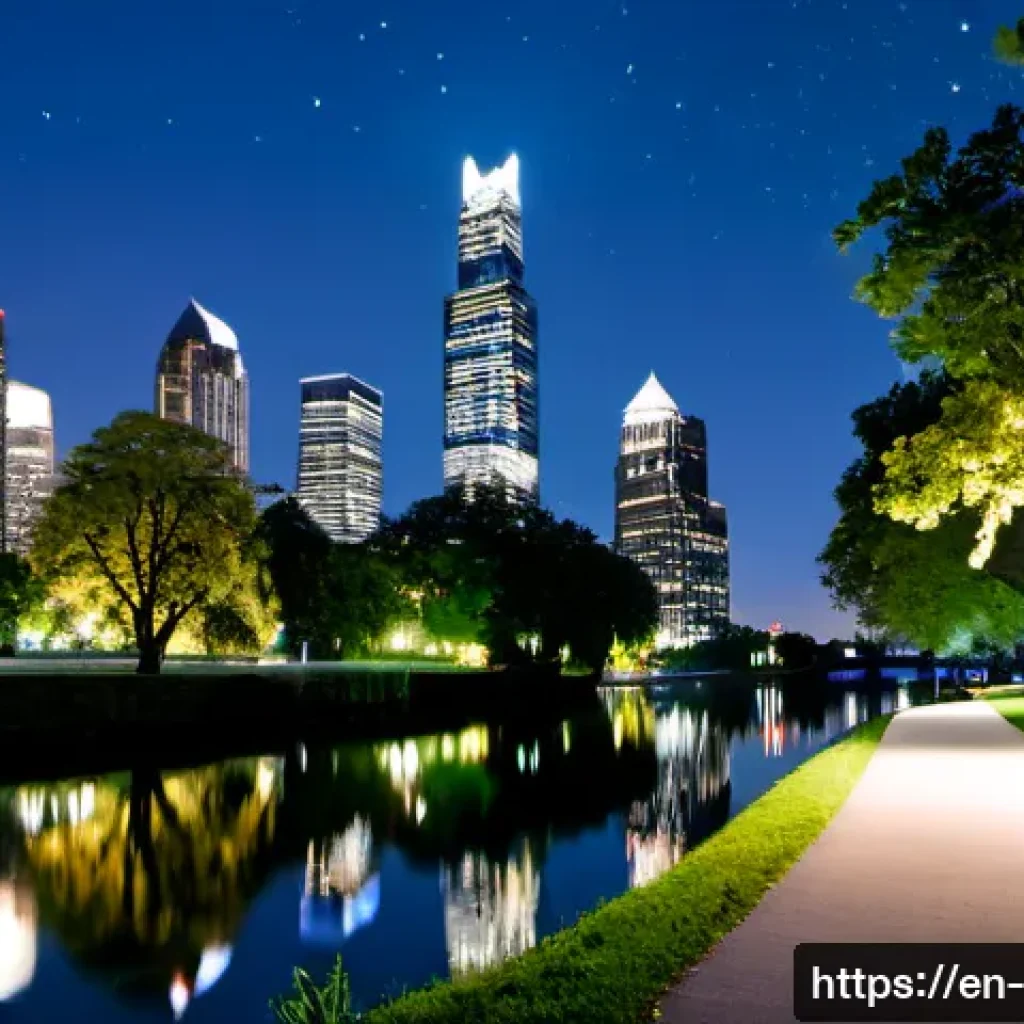
Nature and city lights can share a striking night view when trees, water, open sky, and buildings are given equal visual weight. The strongest scenes usually come from thoughtful framing, a safe public viewpoint, and lighting that does not overwhelm the darker landscape.
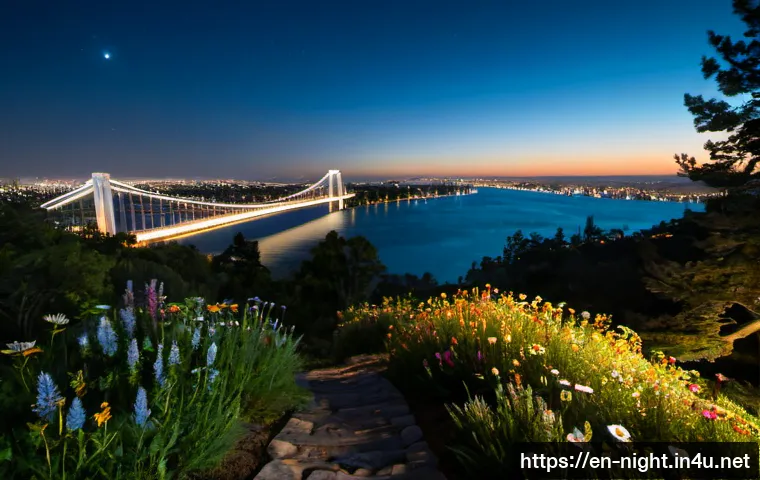
A skyline can feel less harsh when it is softened by a riverside, a park edge, or a line of hills. Weather, season, and the local lighting design can all change the balance.
The same location may look calm and reflective on one evening and visually crowded on another. Knowing what to look for makes both night walks and photographs more rewarding.
Understanding the Urban Nightscape
Where natural darkness meets artificial light
An urban nightscape is most interesting when it shows the meeting point between two different kinds of visibility: the limited detail of natural darkness and the clear structure created by streets, windows, bridges, and illuminated buildings. Trees can form a quiet frame around a bright skyline, while water may carry broken reflections of nearby lights. The goal is not to remove darkness from the scene. It is to let darkness provide space, depth, and contrast.
This relationship changes from place to place. Cloud cover can scatter city glow, seasonal foliage can block or reveal buildings, and nearby lighting may alter the mood of a path or waterfront. A balanced view often has one main bright area and enough unlit or gently lit space around it to keep the image from feeling flat.
Elements that create visual balance
Look for a clear foreground, middle ground, and background. A grassy bank, tree canopy, rocks, or a shoreline can anchor the foreground. Water, paths, and low vegetation often work well in the middle distance. The skyline, bridge, or clusters of lights can sit farther back as the visual destination. Shapes matter as much as brightness: the irregular outline of trees can balance the geometric lines of towers and roads.
Be careful with scenes that contain too many competing lights. A bright sign, floodlit structure, or direct lamp near the camera can pull attention away from the wider view. Moving a short distance, changing your angle, or placing a tree trunk between the camera and the strongest glare may create a cleaner composition.
Choosing a Viewpoint After Dark
Parks, riversides, hills, and public waterfronts
Parks, riversides, hills, and public waterfronts can offer natural framing for city lights, but their suitability depends on local conditions. A riverside may provide reflections and an open horizon. A hill may separate the skyline from nearby streetlights. A park edge can place branches or open grass in the foreground without hiding the city entirely.
Choose viewpoints with a stable surface, clear sightlines, and a legitimate public route. Avoid assuming that a park, trail, overlook, or waterfront remains open after dark. Access hours, photography rules, and tripod restrictions may vary, so they need to be checked locally before a visit.
Safety, access, and respectful nighttime visits
Night viewing works best when it is planned with basic awareness. Use established paths, keep a light available for walking, and avoid blocking narrow walkways with camera equipment. It is also wise to let someone know your plans when visiting an unfamiliar area. Local safety conditions can differ widely, even within the same city.
Respect quieter spaces after dark. Keep voices low, do not enter planted areas for a better angle, and leave no litter behind. If a location is closed, marked as private, or subject to special nighttime rules, choose another viewpoint rather than trying to work around the restriction.
Photographing Green Spaces and Skylines
Managing bright lights and dark foregrounds
Nightscape photography often involves a large brightness gap between city lights and a dark foreground. Start by deciding which part of the scene should retain the most detail. If the skyline is the priority, protect the brightest lights from becoming overly washed out. If the trees or shoreline matter most, accept that some distant lights may appear brighter than they do to the eye.
A stable camera position helps when longer exposures are needed, but tripod use may be restricted in some locations. If a tripod is not allowed, use a permitted stable surface or adjust your approach. Review the image for blown-out highlights, muddy shadows, and unwanted glare rather than relying only on how bright the screen appears.
Using reflections, silhouettes, and leading lines
Reflections can connect the natural and built parts of a composition. Calm water may repeat lights in long, textured streaks, while moving water can turn them into softer patterns. Silhouetted trees can create a recognizable edge against a brighter sky, but leave enough separation so their shapes do not merge into a dark mass.
Paths, railings, shorelines, and rows of trees can act as leading lines toward the skyline. Keep the composition simple: one strong line and one main focal area are often more effective than several unrelated bright details. Avoid adding artificial light solely for a photograph if it could disturb people, wildlife, or the setting.

| Scene element | What it can add | What to watch for |
|---|---|---|
| Water | Reflections and open space | Glare, unstable edges, and local access limits |
| Trees and vegetation | Natural framing and silhouettes | Blocked views and unnecessary disturbance |
| Paths and shorelines | Leading lines toward the skyline | Pedestrian access and safe footing |
| City lights | Structure, color, and visual focus | Overexposure and distracting bright sources |
Protecting Nighttime Nature in Cities
Minimizing light disturbance and noise
Green spaces remain active environments after sunset. Excessive artificial light and noise can change the character of a quiet area and may affect nighttime wildlife and nearby habitats. Use only the light needed to move safely, point it downward where possible, and avoid sweeping bright beams through trees, reeds, or waterfront edges.
Keep photography low-impact. Do not use flash around animals, avoid playing sound to attract wildlife, and do not move natural materials to improve a composition. The best urban nature images usually come from observing what is already there rather than altering the scene.
Planning a Meaningful Night Walk
A useful night walk begins with a simple purpose: observe reflections, find a tree-framed skyline, or notice how lighting changes along a public route. Check local access details before leaving, dress for the conditions, and allow time for your eyes to adjust to the lower light. Instead of rushing from viewpoint to viewpoint, pause at a few places and compare what feels bright, quiet, open, or enclosed. That slower approach makes the relationship between city infrastructure and natural space easier to see.
Closing Thoughts
A balanced nightscape does not depend on a famous skyline or dramatic lighting. It depends on noticing how natural forms guide the eye through an urban setting. A respectful visit, a legal viewpoint, and a careful composition usually matter more than adding extra equipment or effects. When darkness is allowed to remain part of the picture, city lights can feel more connected to their surroundings.
Useful Things to Know
Check local access hours before visiting parks, trails, and waterfronts at night.
Use existing paths and avoid entering planted or sensitive areas for a better angle.
Keep artificial light, noise, and photography equipment as unobtrusive as possible.
Expect the view to vary with weather, season, and local lighting conditions.
Key Points
The most convincing city-and-nature night views use natural elements as part of the composition rather than treating them as empty foreground. Choose safe, permitted viewpoints; manage the contrast between bright lights and dark land; and reduce disturbance to people, wildlife, and green spaces.
Frequently Asked Questions
Q1. How can I photograph city lights and natural scenery in the same image at night?
A1. Build the frame around one clear relationship, such as a skyline beyond trees or lights reflected in water. Expose carefully for the brightest areas, use a stable camera position when permitted, and simplify the scene so the natural foreground and city lights do not compete.
Q2. What are the best natural places to see a city skyline after dark?
A2. Public parks, riversides, hills, and waterfronts can be good options when they offer open sightlines and lawful nighttime access. The best choice depends on the city, seasonal vegetation, weather, access hours, and local rules, so confirm details before going.
Q3. How does urban lighting affect nighttime wildlife and green spaces?
A3. Bright or poorly directed lighting can change the nighttime character of green spaces and may affect wildlife and habitats. Visitors can reduce their impact by using only necessary light, keeping noise low, staying on established routes, and avoiding flash or other disturbances near animals.