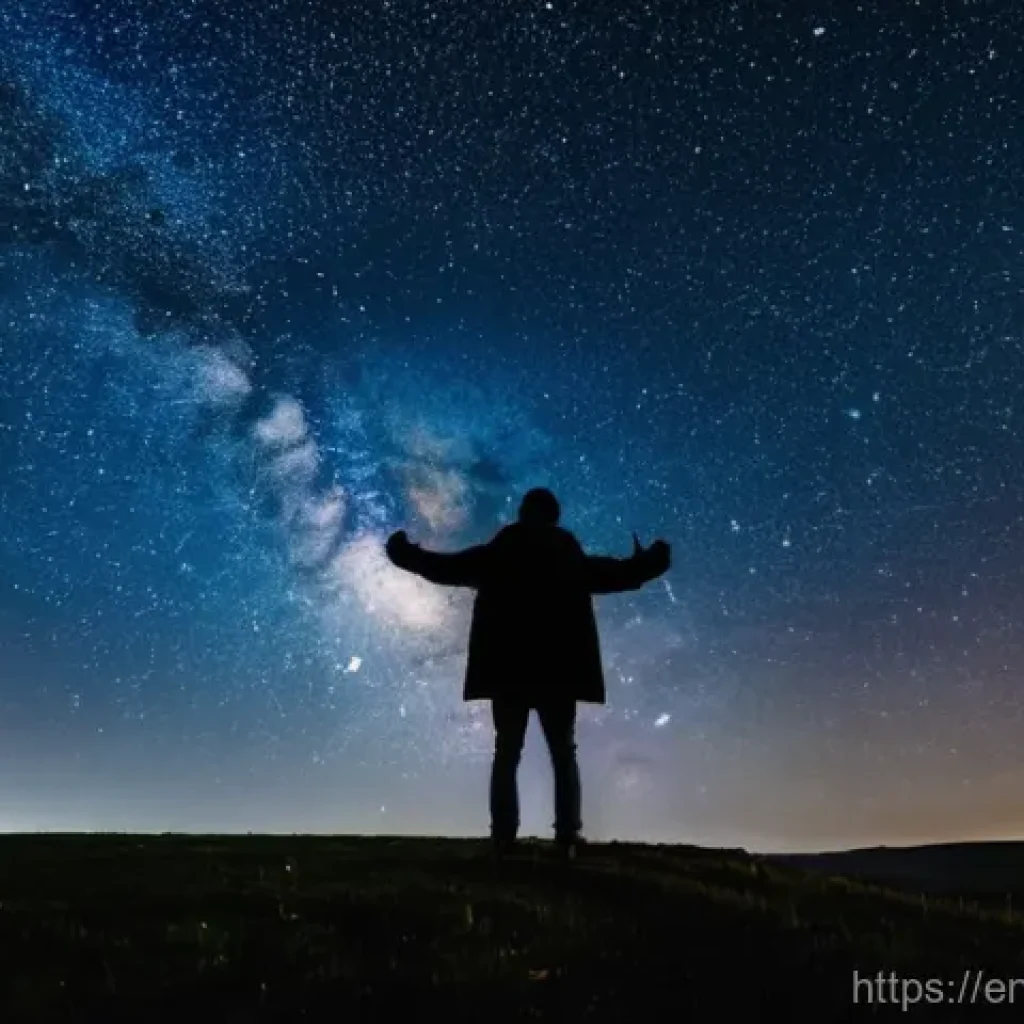
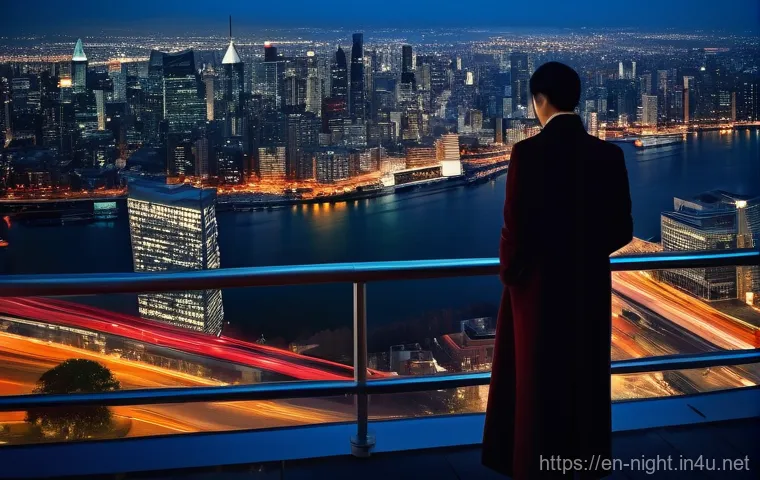
Have you ever just paused, looking out at a glittering city skyline or a sky full of stars, and felt an immediate sense of calm wash over you? I know I have, countless times, especially when life feels a bit overwhelming.
There’s a profound, almost magical quality to the night, isn’t there? The way the world hushes, allowing the subtle beauty of light and shadow to emerge, truly has a unique effect on our minds.
I’ve personally found these moments aren’t just fleeting prettiness; they genuinely help to hit the reset button on my mental state, bringing a much-needed sense of peace.
Let’s delve deeper into how nightscapes can become your unexpected ally for psychological stability.
The Serene Silence After Sunset
The Gentle Unwinding of the Day
There’s just something incredibly restorative about the world settling down as the sun dips below the horizon. For me, it’s like the universe collectively exhales, and you can almost feel the tension of the day dissolving into the deepening hues of twilight.
I’ve often found myself consciously slowing my pace, whether I’m just walking home or gazing out my window, absorbing that transition. This isn’t just about the physical light fading; it’s about a shift in atmosphere, a palpable calm that descends.
It’s a cue for our brains, I think, to downshift from the high-octane energy of daylight. I remember one evening, after a particularly demanding week at work, I just sat on my porch as the last slivers of orange faded to purple.
The simple act of observing that quiet transformation felt like a physical release, melting away the stress I hadn’t even realized I was carrying. It’s a consistent moment of gentle decompression that really helps to prepare my mind for true rest.
Finding Your Rhythm in the Quiet Hours
Once the bustling sounds of the day diminish, a different kind of rhythm emerges – one that’s often more aligned with our natural internal clocks. The constant chatter of cars, construction, and hurried conversations gives way to more subtle sounds: the distant chirping of crickets, the rustle of leaves, or even just the profound quiet of a sleepy neighborhood.
I’ve learned to appreciate these quiet hours not just as an absence of noise, but as an opportunity to truly hear myself think, to reconnect with my own thoughts and feelings without external interruptions.
It’s during these times that my best ideas sometimes surface, or when a solution to a nagging problem suddenly becomes clear. It’s almost like the night acts as a filter, pushing extraneous sensory input to the background and allowing for deeper introspection.
This personal quiet time, where the world outside pauses, becomes a personal sanctuary for reflection and mental regrouping, which is absolutely vital for maintaining psychological balance in our often-chaotic lives.
Unlocking Inner Peace Under Starry Skies
A Universal Perspective on Your Worries
Gazing up at a truly dark, star-filled sky is, for me, one of the most powerful ways to put things into perspective. It’s a profound reminder of just how vast the universe is and, consequently, how small some of our everyday worries actually are in the grand scheme of things.
I’ve had countless moments where I’ve felt overwhelmed by deadlines, personal struggles, or just the general pressures of modern life, only to step outside, look up, and feel an immediate shift.
The sheer scale of the cosmos has a humbling effect that can be incredibly liberating. It’s not about minimizing genuine problems, but rather about gaining a fresh vantage point, making those urgent anxieties feel a little less all-consuming.
That feeling of being part of something so immense and ancient often brings an unexpected sense of peace and a gentle reminder that life, despite its challenges, is also filled with wonder.
The Calming Ritual of Stargazing
Turning stargazing into a regular ritual has been a game-changer for my mental well-being. It’s more than just looking up; it’s about actively engaging with the night sky, even if it’s just identifying a few constellations or tracking a satellite.
There’s a meditative quality to it, a focus that pulls you entirely into the present moment. I usually grab a warm drink, find a comfortable spot, and just let my eyes adjust.
The process itself, from identifying the North Star to spotting a meteor, demands a gentle kind of attention that pushes out intrusive thoughts. I’ve found that even a short 15-minute session before bed can significantly improve my sleep quality because my mind feels clearer and more settled.
It’s an accessible form of mindfulness that requires no special equipment, just your eyes and a willingness to look up. This simple, ancient practice helps ground me, reminding me of continuity and the natural cycles of the world, fostering a deep sense of inner calm.
Why Twilight’s Embrace is Your Mental Recharge Button
Slowing Down the Internal Clock
You know that feeling, right? When the day just flies by, a blur of tasks and commitments, and you suddenly realize you haven’t truly paused to breathe?
That’s where twilight comes in for me. It’s like a natural, universal signal to hit the brakes. The way the light softens and the world goes quiet encourages a physiological and psychological slowdown.
My internal clock, which often feels like it’s perpetually running on espresso, starts to wind down. I’ve actively started using this time to intentionally disengage from work emails or social media, instead opting for activities that are inherently slower-paced, like reading a physical book or listening to some mellow music.
This deliberate reduction in sensory input helps to calm my nervous system. It’s not just about stopping; it’s about actively transitioning into a state of rest and allowing my brain to process the day’s events without the pressure of needing to react or produce.
This crucial downtime is, without a doubt, my favorite mental recharge hack.
The Art of Mindful Observation
Twilight isn’t just about the absence of bright light; it’s about a different quality of light and shadow, which invites a more mindful way of seeing.
I’ve noticed that when the harsh glare of noon fades, details I often overlook during the day suddenly become prominent. The way streetlights cast long, dramatic shadows, or how the silhouette of a tree takes on an almost artistic quality against the fading sky.
Practicing mindful observation during these hours helps me to anchor myself in the present. Instead of my mind racing about future plans or past regrets, I become completely absorbed in the visual and auditory tapestry of the evening.
It’s a wonderful exercise in sensory awareness that doesn’t require any formal meditation. Simply noticing the subtle shifts in color, the play of light on surfaces, or the emergence of distinct nighttime scents – like damp earth or blooming jasmine – brings a profound sense of presence and tranquility.
This intentional engagement with the immediate environment effectively acts as a reset for my often-overstimulated brain.
Beyond the Hectic Haze: Finding Clarity in the Dark
Escaping the Overstimulation Cycle
Let’s be honest, our modern lives are a constant barrage of stimulation. Phones buzzing, screens glowing, endless notifications, and the relentless pressure to be “on” 24/7.
It’s exhausting, and it leaves little room for clear thought. For me, the night provides a much-needed escape from this relentless cycle. When the world outside quiets down and the artificial glow of screens is dimmed, my mind finally gets a chance to breathe.
I’ve discovered that consciously stepping away from bright lights and digital distractions after a certain hour is incredibly beneficial. It’s not just about turning off devices; it’s about embracing the natural reduction in external stimuli that the evening offers.
This deliberate disconnection creates a mental space where I can process thoughts without interruption, allowing my brain to declutter itself from the day’s information overload.
This intentional choice to seek out the quiet and dimness helps me regain control over my attention and provides a peaceful refuge for my cognitive functions.
New Perspectives Emerge in the Absence of Light
It might sound counterintuitive, but I’ve found that the absence of bright light often leads to a greater sense of mental clarity. When visual distractions are minimized, your other senses, and indeed your internal focus, tend to sharpen.
Problems that seemed insurmountable during the day often appear in a different light – literally and figuratively – when reviewed in the calmer, darker hours.
I’ve had many moments of clarity while sitting in the dark, just thinking, where solutions or creative ideas have simply popped into my head that were elusive earlier.
It’s as if the mental energy usually spent processing a complex visual world is redirected inward, allowing for deeper contemplation and more insightful connections.
This phenomenon isn’t just anecdotal for me; it feels like a genuine recalibration of my thought processes. The quiet, unhurried atmosphere of the night fosters a type of reflective thinking that is absolutely essential for gaining fresh perspectives and making sound decisions without the pressure of immediate responses.
Connecting with the Cosmos for Calm
The Immensity that Puts Things in Perspective
I’m a firm believer that there’s nothing quite like looking up at the vastness of the cosmos to shift your entire perspective. Seriously, when I’m feeling overwhelmed or bogged down by day-to-day trivialities, a glance at the moon or a sky full of stars has an almost immediate calming effect.
It reminds me that my personal struggles, while valid, are part of a much, much larger picture. This isn’t about diminishing your problems, but rather about gaining a sense of scale.
I’ve personally experienced this many times, feeling a release of tension as I realize the immensity of space and time. It’s a gentle reminder that the universe has endured for billions of years, and my momentary anxieties will also pass.
This grand perspective provides a profound sense of peace, making me feel connected to something far greater than myself. It’s an almost spiritual experience that often brings a much-needed dose of humility and comfort, putting everything into context.
A Sense of Belonging and Tranquility
Beyond just putting things into perspective, gazing at the cosmic tapestry often instills a deep sense of belonging and tranquility within me. There’s a fundamental connection we share with the universe, an ancient, primal link to the elements that form us and everything around us.
When I look up at the stars, I don’t just see distant lights; I feel a part of that grand, unfolding narrative. It’s a sense of unity that transcends geographical boundaries or personal circumstances.
This feeling of being intrinsically connected to the cosmos can be incredibly soothing, washing away feelings of isolation or insignificance. It’s a peaceful reassurance that we are all part of something magnificent and enduring.
This profound connection often brings a wave of calm, a feeling that everything is ultimately okay, regardless of what daily life throws my way. It’s a quiet, persistent hum of tranquility that resonates long after I’ve turned my gaze back to earth.
| Nightscape Benefit | Psychological Impact | Practical Application |
|---|---|---|
| Reduced Sensory Overload | Decreased stress and anxiety, enhanced mental clarity | Turn off screens, dim lights, focus on natural sounds |
| Perspective Shift | Minimizes perceived importance of minor worries | Stargazing, observing moon phases |
| Mindful Engagement | Promotes present-moment awareness, reduces rumination | Notice subtle light and shadow, night sounds, scents |
| Emotional Regulation | Fosters feelings of peace, wonder, and interconnectedness | Deep breathing exercises under the night sky |
The Therapeutic Glow of Cityscapes at Night
Urban Beauty’s Soothing Effect
Even for those of us who live in bustling urban environments, the night offers a unique and surprisingly therapeutic beauty. I used to think I needed to escape to the wilderness to find peace, but I’ve learned that the illuminated cityscape, with its intricate patterns of lights, can be incredibly calming in its own way.
There’s a particular kind of magic in seeing a city transformed after dark – the harsh edges of buildings softened, the traffic becoming a gentle, flowing river of light.
It’s a different kind of nightscape, yes, but no less impactful. I often find myself driving or walking through downtown areas at night, simply appreciating the artistic patterns created by skyscrapers lit against the dark sky, or the soft glow emanating from windows.
This urban glow creates its own kind of serene ambiance, a visual symphony that can be just as relaxing as a starry field, albeit in a different register.
It’s a reminder that beauty and tranquility can be found even in the heart of metropolitan life, offering a distinct sense of wonder and calm.
Finding Solace in the Shared Experience
What’s fascinating about urban nightscapes is the subtle sense of shared experience they can evoke. When I look out at a city sparkling with lights, I’m reminded of the countless lives unfolding behind those windows, each person having their own stories, hopes, and dreams.
There’s a quiet solidarity in that thought, a feeling of being connected to a larger human tapestry. It’s not an isolating experience, but rather one that brings a gentle sense of belonging.
I’ve found solace in knowing that even in a huge, anonymous city, we are all collectively experiencing this beautiful transformation of day into night.
Sometimes, I’ll take a walk through a vibrant neighborhood, and the energy, though subdued, is still palpable and comforting. The glow from cafes, the soft chatter from restaurant patios – these elements contribute to a peaceful, communal ambiance.
This collective evening hum provides a unique form of comfort, a quiet affirmation that we’re all navigating life’s journey together, under the same overarching night sky, offering a subtle yet powerful boost to my psychological stability.
Crafting Your Own Evening Sanctuary
Bringing the Nightscape Home
You don’t always need to venture far to experience the calming effects of nightscapes; you can absolutely bring that sense of sanctuary right into your own home.
I’ve personally found immense benefit in intentionally designing my living space to reflect the peaceful transition of evening. This isn’t about making your home dark and gloomy, but rather about creating an atmosphere that encourages relaxation and introspection as the sun sets.
Think soft, ambient lighting – dim lamps, fairy lights, or even just candles. I love diffusing essential oils like lavender or cedarwood as the evening approaches, which really sets a tranquil mood.
Curating a cozy corner with a comfortable chair, a warm blanket, and a good book (a physical one, not a glowing screen!) can become your personal retreat.
It’s about more than just aesthetics; it’s about consciously shifting your environment to support your mental wind-down. By making these small adjustments, I’ve managed to create pockets of calm that feel just as restorative as gazing at a distant horizon, making evening a cherished time for unwinding and psychological restoration right where I live.
Practical Steps to Embrace the Dark
Embracing the darker hours for psychological stability is surprisingly easy to integrate into your daily routine. One of my top tips is to establish a consistent “digital sunset” – meaning, set a specific time each evening after which you put away your phone, tablet, and turn off the TV.
For me, that’s usually an hour before I plan to sleep. Instead of scrolling, I might listen to a podcast, write in a journal, or simply sit quietly. Another practical step I swear by is taking a short, mindful walk after dinner, even if it’s just around the block.
Paying attention to the cooler air, the sounds of the evening, and any visible stars or city lights helps to ground me and signal to my brain that the active part of the day is over.
I also love to dim the lights gradually throughout my home as evening progresses, mimicking the natural fading of daylight. These simple, consistent practices have profoundly impacted my sleep quality and overall sense of calm.
They act as gentle cues, training my mind and body to transition smoothly from the demands of the day into the restorative embrace of the night, leading to a much more stable and peaceful mental state.
Closing Thoughts
As we navigate the continuous demands of modern life, the importance of carving out moments of peace and reflection often gets overlooked. For me, embracing the evening’s transition from day to night has become a non-negotiable ritual for maintaining mental stability. It’s not just about ending the day; it’s about consciously choosing to decompress, to reconnect with ourselves, and to find solace in the quieter rhythm of the world around us. So, I truly hope you’ll discover your own unique ways to tap into the restorative power that twilight and night offer, transforming your evenings into a cherished sanctuary for your mind and soul.
Helpful Tips to Keep in Mind
1. Establish a “Digital Sunset”: I’ve found that setting a specific time, say an hour or two before you plan to sleep, to put away all screens (phone, tablet, TV) is incredibly effective. This isn’t just about limiting blue light; it’s about signaling to your brain that it’s time to wind down. Instead of endless scrolling, try picking up a physical book, listening to a podcast, or engaging in a gentle hobby. The difference in how settled your mind feels is truly remarkable, and it’s something I absolutely swear by for better sleep and clearer thinking.
2. Mindful Evening Strolls: Even a quick 10-15 minute walk around your neighborhood after dinner can work wonders. The key here is mindfulness. Instead of rushing, consciously pay attention to the cooler air, the sounds of the evening (crickets, distant voices, rustling leaves), and any visible stars or city lights. This simple act of grounding yourself in your immediate environment helps break the mental loop of the day’s events and gently transitions your mind into a more relaxed state, which I’ve noticed profoundly impacts my overall evening calm.
3. Create a Cozy “Unwind Zone”: Designate a specific spot in your home as your evening sanctuary. This could be an armchair with a soft blanket, a window seat, or even just your bed. The trick is to make it screen-free and comfortable. I love adding a warm, non-caffeinated drink, perhaps some soft instrumental music, and definitely some dim, ambient lighting like a salt lamp or a few candles. This intentional creation of a soothing space makes it much easier to disconnect from external pressures and truly relax, an experience I’ve found to be incredibly restorative.
4. Embrace Ambient Lighting: Ditch the harsh overhead lights as evening approaches. Mimic the natural dimming of daylight by using lamps with soft, warm bulbs or even fairy lights. This subtle shift in lighting quality has a profound psychological effect, naturally encouraging your eyes and brain to relax. I’ve noticed that when my environment softens, my internal tension softens too. It’s a simple change, but one that significantly contributes to a feeling of peace and prepares your body for rest, making your home feel like a truly comforting retreat.
5. Practice Reflective Journaling: Use the quiet of the evening to jot down your thoughts, feelings, or even just a few gratitudes from the day. This isn’t about solving problems, but simply offloading whatever is on your mind onto paper. I’ve found that this practice helps to clear my head, preventing anxious thoughts from swirling around just as I’m trying to relax or sleep. It’s a wonderful way to process your day without judgment, leaving you with a sense of closure and a clearer mind, something I personally rely on for a tranquil end to my day.
Key Takeaways
The transition into evening and the embrace of night offer profound benefits for our psychological well-being, acting as a natural reset button for our often-overwhelmed minds. By consciously engaging with the evening hours, we gain invaluable perspective, allowing us to quiet the mental clutter and find clarity away from the day’s constant stimulation. This intentional shift towards embracing darker, quieter moments fosters a deeper sense of inner peace and tranquility, reminding us of our connection to something larger than ourselves. Ultimately, making time to unwind and reflect during twilight and beyond is not a luxury, but a vital component for maintaining a balanced and stable mental state, enhancing both our sleep quality and our overall resilience.
Frequently Asked Questions (FAQ) 📖
Q: How exactly do these beautiful nightscapes actually work their magic on our minds? I mean, beyond just looking pretty, what’s the secret sauce for psychological stability?
A: Oh, I totally get where you’re coming from! It’s more than just a pretty picture, isn’t it? For me, it’s a multi-sensory experience that fundamentally shifts my perspective.
When the sun goes down, the world quiets down. That buzz of daytime activity, the constant stream of visual input and noise, it all recedes. What’s left is a different kind of canvas.
My eyes naturally gravitate towards the interplay of light and shadow, the soft glow of streetlights, the distant twinkle of city windows, or if I’m lucky, the vast expanse of stars.
It creates this incredible sense of awe and scale, making my own daily worries feel so much smaller, almost insignificant in the grand scheme of things.
I’ve found that this shift in focus, from internal chatter to external wonder, is incredibly grounding. It’s like my brain gets a forced break from overthinking and just observes.
Plus, there’s something about the reduced stimuli that allows for deeper introspection, without the usual daytime distractions. It’s a gentle reminder to slow down, breathe, and just be.
Q: That sounds amazing! But what if I live in a bustling city and don’t have access to vast, starry skies? How can I realistically incorporate nightscapes into my routine for mental well-being?
A: You know, I hear this a lot, and it’s a completely valid concern! But here’s the cool part: you don’t need to trek to a remote wilderness to find your nightscape zen.
I’ve personally discovered that even in the heart of a city, pockets of nocturnal beauty are everywhere. My absolute favorite trick is finding a quiet spot near a window – maybe in my apartment, a local café with a good view, or even a community park bench after sunset.
It’s about being intentional. Instead of rushing home, try taking an extra 15 minutes to just sit and observe. Look up at the way the building lights frame the sky, notice the gentle flow of traffic lights, or even just the patterns of shadows cast by streetlights on trees.
One thing I love to do is find a slightly elevated spot, perhaps a pedestrian bridge or a rooftop terrace if available, to get a broader view. I also love an evening stroll through a well-lit park; the quiet murmur of nature intertwined with the distant city hum can be surprisingly calming.
The key isn’t necessarily pristine nature, but rather a conscious effort to immerse yourself in the unique visual and auditory textures of the night wherever you are.
Q: I’m intrigued, but honestly, I’m not really a “night person.” Sometimes I feel a bit vulnerable or just plain tired at night. Is there a way to still get these benefits without feeling unsafe or disrupting my sleep?
A: I totally get that feeling, and your safety and comfort are absolutely paramount! Believe me, I’m not suggesting anyone venture out into unfamiliar or unsafe areas.
The beauty of finding calm in nightscapes is that it’s highly adaptable. If going out at night doesn’t feel right, there are still plenty of ways to tap into that serene energy.
For starters, consider your own window at home. Create a cozy nook, dim your indoor lights, and simply spend a few minutes looking out. A warm cup of tea can do wonders here.
You could also explore virtual nightscapes – there are incredible time-lapse videos of city skylines or starry nights available online that can offer a visual escape from the comfort and safety of your couch.
Another trick I’ve used on nights when I’m just too tired is to embrace the transition to night. Those twilight hours, just as the sun is setting and the first lights come on, offer a unique, calming atmosphere.
It’s not fully dark, but you still get that shift in light and mood. Remember, it’s not about being a “night owl,” but about consciously seeking moments of quiet observation and appreciation for the world’s nocturnal beauty, in whatever way feels safest and most comfortable for you.