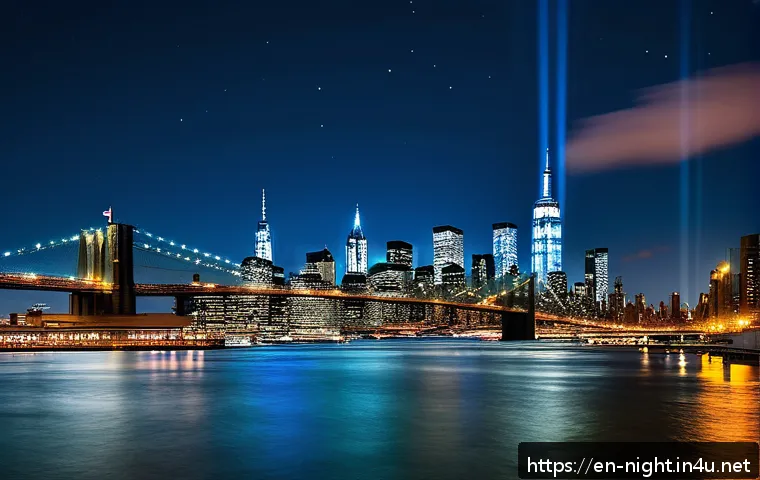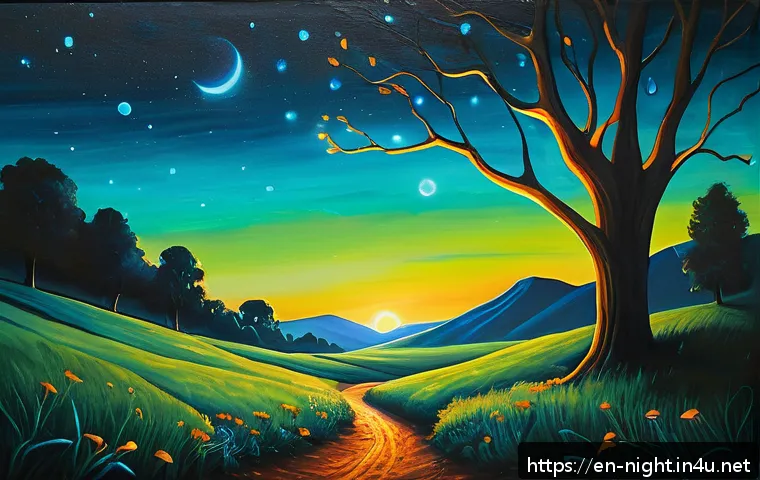
Lately, there’s been a surge of interest in nightscape art and glow-in-the-dark painting techniques, capturing imaginations everywhere. These creative methods transform ordinary scenes into mesmerizing visual experiences that truly come alive after sunset.
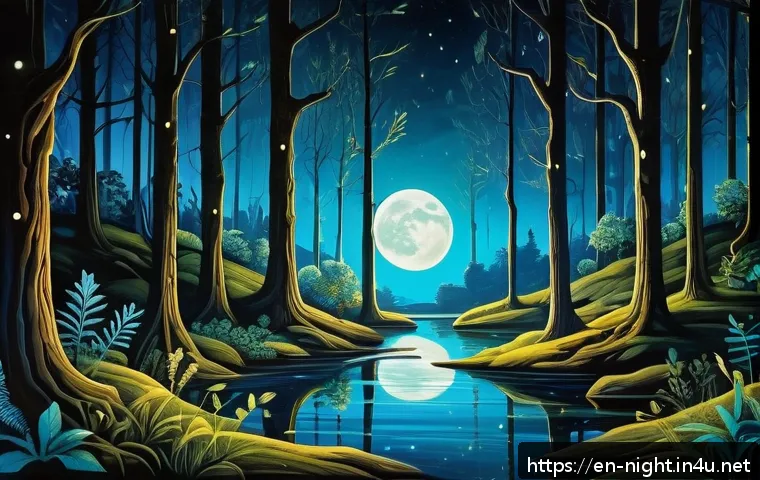
Whether you’re an artist seeking fresh inspiration or simply fascinated by luminous art, this trend offers endless possibilities. I’ve dived into these techniques myself, discovering how they unlock a whole new dimension of creativity.
Stick around as we explore how to bring your artwork to life with glowing magic and breathtaking nightscapes. This journey might just change the way you see and create art forever.
Unveiling the Secrets Behind Luminous Art
Understanding the Science of Glow
When you first encounter glow-in-the-dark paints, it feels almost like magic, but there’s real science behind it. These paints contain phosphors—special particles that absorb light energy during the day or under artificial light and then slowly release it in the dark.
What I found fascinating is that not all glow pigments are created equal; some glow brighter and last longer, depending on their chemical composition.
Exploring this helped me select the right materials to make my pieces truly shine after sunset, giving them a surreal, almost otherworldly vibe.
Choosing the Perfect Canvas for Nighttime Brilliance
Not every surface interacts the same way with luminous paints. Through trial and error, I discovered that smooth, non-porous surfaces like acrylic or treated wood amplify the glowing effect better than rough textures.
For instance, painting on a matte canvas sometimes dulls the glow, while glossy finishes reflect light more effectively, making the colors pop. This insight has been a game-changer for me when planning my projects, as the canvas choice can either enhance or hinder the nighttime impact of your artwork.
Layering Techniques to Amplify the Glow
One of the most rewarding discoveries was how layering glow paint with translucent colors can create depth and complexity in night-themed artwork. Instead of slapping on a single coat of glow paint, I experimented with multiple layers interspersed with clear or slightly tinted varnishes.
This technique made the glow more intense and added a shimmering effect that shifts with the viewer’s angle. It’s a bit like painting in 3D, where the artwork evolves from subtle illumination to bold brilliance as darkness falls.
Crafting Atmosphere with Ambient Illumination
Using Light to Guide the Viewer’s Eye
Creating a dynamic nightscape isn’t just about the glow itself—it’s about how light interacts with the composition. I’ve learned to strategically place luminous elements where I want the viewer’s attention to settle, like highlighting a silhouette of a tree or outlining a distant mountain ridge.
This controlled use of light subtly directs the gaze and creates a sense of movement within the stillness of the night, making the scene feel alive and immersive.
Balancing Darkness and Light for Emotional Impact
The contrast between illuminated and shadowed areas can evoke powerful emotions. In my experience, areas left intentionally dark help the glowing parts stand out more dramatically.
This interplay not only adds mystery but also invites viewers to explore the painting more closely. I often think of it as storytelling through light—where the glow reveals just enough to intrigue, while the darkness hides secrets waiting to be discovered.
Incorporating Natural Night Elements
Stars, moonlight, and reflections on water are classic night motifs that come alive with glow techniques. Adding tiny points of glow paint for stars or layering soft glows for moonlight can transform a simple landscape into an enchanting nocturnal scene.
I’ve found that mimicking these natural light sources lends authenticity and draws people in, making the artwork resonate more deeply with anyone who’s ever gazed at a night sky.
Materials That Make the Night Dance
Exploring Different Types of Glow Pigments
Glow pigments vary widely—from strontium aluminate, which offers a bright, long-lasting glow, to zinc sulfide, which has a softer, shorter effect. My experiments showed that mixing these pigments can yield unique lighting effects that suit different moods.
For example, strontium aluminate is perfect for vibrant, energetic scenes, while zinc sulfide works well for subtle, dreamy atmospheres.
Essential Tools for Precision and Creativity
Beyond pigments, the right brushes and application tools are crucial. I found that fine-tipped brushes allow for detailed glowing accents, like tiny fireflies or delicate outlines, while foam brushes help apply smooth, even layers for larger illuminated areas.
Using masking tape and stencils also helps maintain sharp edges, especially when combining glow paints with regular acrylics.
Sealing and Protecting Your Glowing Masterpieces
Because glow paints are sensitive to moisture and wear, sealing your artwork is a must. I personally prefer clear varnishes with UV protection to preserve both the glow’s brightness and the underlying colors.
This step not only extends the life of the piece but also enhances the vibrancy, making the glow pop even more dramatically in low-light environments.
Transforming Spaces with Radiant Art
Integrating Glow Art into Home Decor
Glow paintings don’t have to be confined to galleries or studios—they can elevate any living space. I installed a few small glowing pieces in my hallway and bedroom, and the soft light they emit at night creates a calming, almost magical atmosphere.
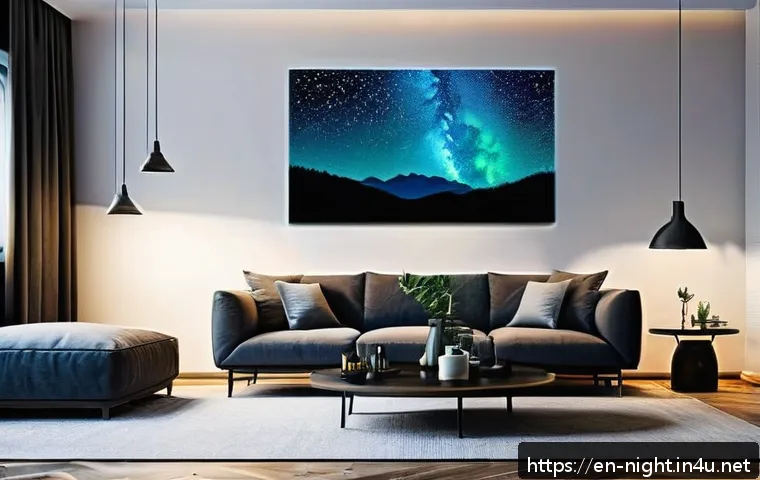
It’s like having a personal night sky indoors, which makes winding down after a long day surprisingly soothing.
Lighting Considerations for Maximum Effect
To fully appreciate glow art, lighting plays a huge role. I recommend using dimmable lights or LED strips with adjustable brightness so you can set the perfect mood.
The artwork truly transforms as you shift from daylight to twilight, offering two completely different viewing experiences. This flexibility makes the art interactive in a way, responding to the environment and time of day.
Creating Interactive Experiences with Glow
One of the coolest things I’ve tried is combining glow art with UV blacklights, which bring out hidden details invisible under normal lighting. This opens up a playful dimension where viewers can “discover” secret elements in the painting, making the experience both surprising and memorable.
It’s a fantastic way to engage an audience and add an extra layer of storytelling.
Comparing Popular Glow Media and Their Characteristics
| Material | Glow Duration | Brightness | Best Use Cases | Ease of Application |
|---|---|---|---|---|
| Strontium Aluminate | 8-12 hours | Very bright | Outdoor murals, bold nightscapes | Moderate |
| Zinc Sulfide | 1-3 hours | Soft glow | Subtle accents, indoor art | Easy |
| Phosphorescent Acrylic Paint | 4-6 hours | Bright | Mixed media, layered paintings | Easy to moderate |
| UV Reactive Paint | Glow only under UV light | Very bright under blacklight | Interactive art, party decor | Easy |
Mastering the Art of Nighttime Storytelling
Using Glow to Highlight Narrative Elements
Incorporating glow paint into storytelling allows artists to emphasize key plot points or emotions. I experimented by illuminating characters’ eyes or mystical objects in my paintings, which instantly drew viewers’ attention and added layers of meaning.
This technique can subtly guide the narrative flow, making the artwork more engaging and thought-provoking.
Evoking Mood Through Color and Light
Colors behave differently under glow conditions. Cool tones like blues and greens emit a calming light, perfect for serene night scenes, while warmer glows such as yellows and oranges bring warmth and energy.
Mixing these thoughtfully can create complex moods—something I’ve played with extensively to evoke feelings ranging from peaceful solitude to vibrant celebration.
Personalizing Your Glow Art Journey
What excites me most about this glowing art trend is how deeply personal it can be. Everyone’s nightscape is unique, shaped by memories, dreams, and imagination.
By experimenting with different materials, techniques, and themes, you can create a glowing narrative that speaks directly to your own creative spirit and invites others to see the night through your eyes.
In Conclusion
Exploring the world of luminous art reveals a fascinating blend of science, creativity, and emotion. By understanding materials, techniques, and lighting, artists can craft mesmerizing pieces that transform spaces and tell compelling stories. Whether you’re a seasoned creator or a curious beginner, embracing glow art opens up endless possibilities for unique expression after dark.
Helpful Tips to Remember
1. Always test different glow pigments to find the brightness and duration that suit your project best.
2. Choose smooth, reflective surfaces to maximize the glowing effect and enhance visual impact.
3. Layer glow paints with translucent colors for added depth and dynamic illumination.
4. Use strategic lighting and shadows to guide the viewer’s focus and create emotional resonance.
5. Seal your artwork with UV-protective varnish to preserve glow intensity and color vibrancy over time.
Key Takeaways
Mastering luminous art requires both technical knowledge and artistic intuition. Selecting the right pigments and substrates is essential for long-lasting glow and vivid color. Effective layering and thoughtful placement of light elements amplify the storytelling power of your pieces. Protecting your work ensures it remains captivating for years to come. Above all, let your creativity shine by experimenting and personalizing your glowing narratives to connect deeply with your audience.
Frequently Asked Questions (FAQ) 📖
Q: What materials do I need to create glow-in-the-dark paintings?
A: To get started with glow-in-the-dark painting, you’ll want to gather some key supplies: glow-in-the-dark paints (acrylic or water-based are common), a good quality canvas or paper, brushes of various sizes, and a UV or black light to charge your artwork effectively.
From my experience, using high-quality glow paints makes a huge difference in brightness and longevity. Also, layering the paint and giving it enough time to charge under light really brings out that magical glow after dark.
Q: How can I make my nightscape art stand out and look more realistic?
A: The secret to stunning nightscape art is in the contrast and detail. I found that combining traditional painting techniques with glow-in-the-dark elements works wonders—think of painting a serene night sky with stars and moon using regular paint, then highlighting certain areas like stars or city lights with glow paint.
Adding subtle gradients and layering shadows can create depth that feels almost three-dimensional. Don’t be afraid to experiment with different lighting angles and textures; it’s those little touches that make your nightscape truly captivating.
Q: Are glow-in-the-dark paints safe to use indoors, and do they require special care?
A: Absolutely, most modern glow-in-the-dark paints are non-toxic and safe for indoor use, but it’s always wise to check the label for any specific safety instructions.
From what I’ve learned, good ventilation helps when painting, just like with any art supplies. As for care, these paints can fade over time if exposed to direct sunlight for long periods, so it’s best to display your artwork away from harsh light.
Also, charging your painting under a UV or black light before showing it off ensures it glows at its brightest, making the effort totally worth it!