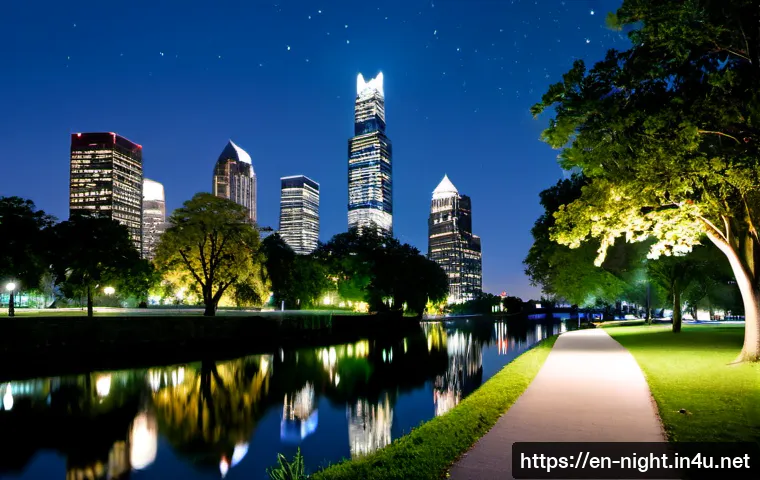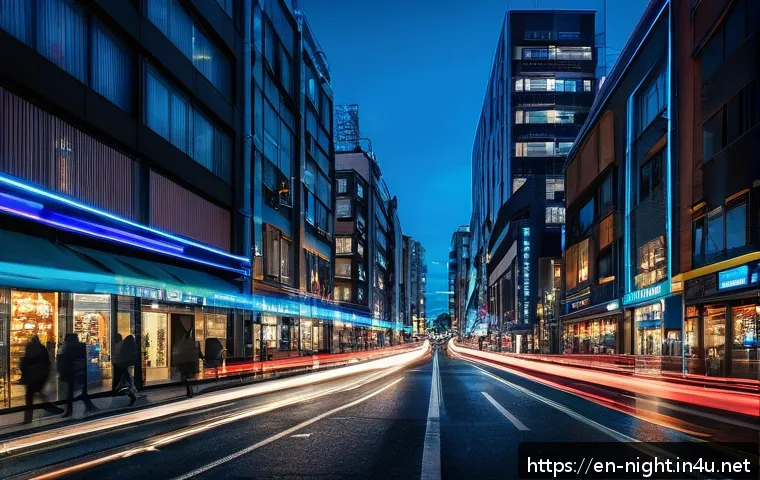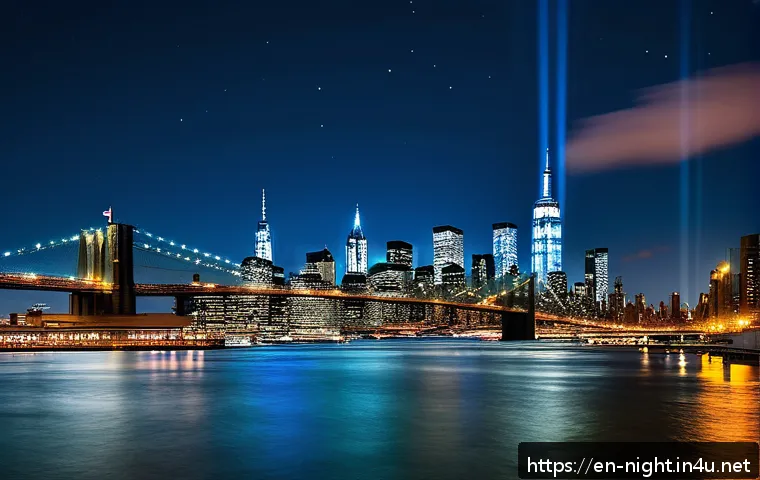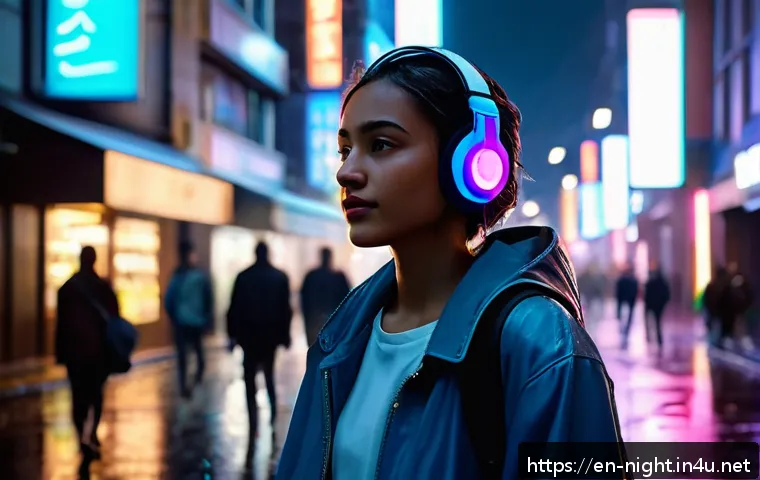
Lately, cities around the world have been redefining their nightscapes with stunning architectural lighting that does more than just illuminate—it tells a story.
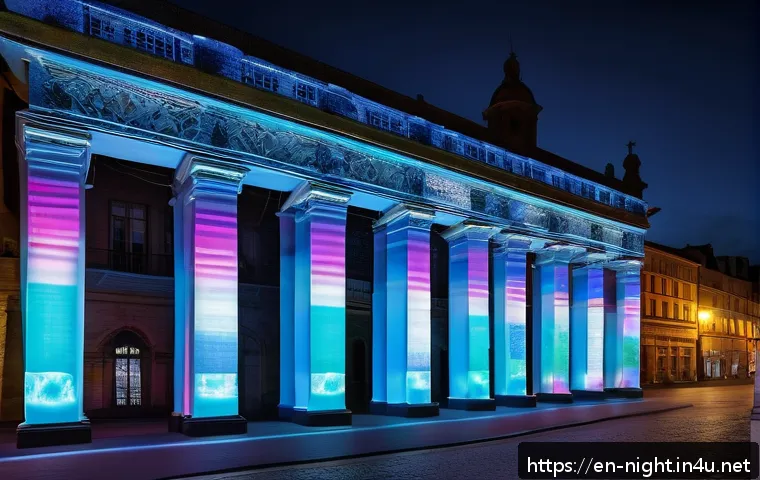
As urban areas grow and evolve, the way buildings light up after dark shapes not only skylines but also the mood and identity of entire neighborhoods.
If you’ve ever been captivated by a glowing city view, you’re not alone. This transformation is more than aesthetics; it’s a blend of technology, design, and culture coming together to create unforgettable night experiences.
Stick around as we dive into how architectural lighting is revolutionizing urban environments and why it matters to everyone living in or visiting these vibrant spaces.
Crafting Atmosphere Through Light Layers
Balancing Functionality and Ambiance
When I first explored cities known for their nightscapes, what struck me was how lighting wasn’t just about visibility. Sure, streetlights guide your path, but architectural lighting adds layers of mood.
Designers often use a mix of direct and indirect lighting to create depth. For example, soft uplighting on building facades contrasts with sharper downlights on walkways, inviting both safety and a warm vibe.
This balance is crucial; too much brightness can feel harsh and sterile, while too little leaves spaces feeling uninviting or even unsafe. Achieving the right lighting tone transforms a simple street corner into an alluring urban spot where people want to linger after dark.
Highlighting Structural Details with Precision
A technique I’ve noticed is the strategic use of spotlights and accent lights to emphasize architectural features like columns, arches, or textured walls.
This method doesn’t just illuminate but tells the story of a building’s design. For instance, highlighting a historic brickwork pattern with warm light creates a sense of heritage and craftsmanship.
On the other hand, cool-toned LEDs often highlight modern steel and glass structures, enhancing their sleekness. The interplay of these light “brushstrokes” brings out a building’s character, making the nightscape visually rich and varied.
Incorporating Dynamic and Interactive Elements
Cities are increasingly integrating dynamic lighting that changes color or intensity, often synced with events or seasons. From my experience attending festivals, seeing buildings pulse gently in sync with music or shift hues during holidays adds an immersive dimension to the urban experience.
Interactive lighting—where pedestrians can influence colors or patterns via apps or sensors—turns the city into a participatory canvas. This interactivity invites curiosity and engagement, making urban nights feel alive and personalized rather than static.
The Role of Sustainability in Nighttime Urban Design
Energy-Efficient Technologies in Use
Modern architectural lighting leans heavily on energy-efficient solutions like LEDs and smart controls. From what I’ve observed in cities prioritizing green initiatives, these technologies drastically reduce energy consumption while offering superior lighting quality.
Smart sensors adjust brightness based on pedestrian activity or ambient light, ensuring no watt is wasted. This approach not only cuts costs but aligns with environmental goals, demonstrating how lighting design can be both beautiful and responsible.
Minimizing Light Pollution for Health and Ecology
Excessive and poorly directed lighting contributes to light pollution, which disrupts human circadian rhythms and local wildlife. Urban planners increasingly adopt “dark sky” principles—using shielded fixtures, warmer color temperatures, and timers to limit unnecessary illumination.
Experiencing neighborhoods where such measures are in place, I felt the difference in nighttime calm and star visibility. These practices support better sleep for residents and protect ecosystems, making lighting design a critical factor in urban well-being.
Cost-Benefit Analysis of Sustainable Lighting
Considering initial installation costs versus long-term savings and environmental impact is vital. Here’s a summary of key factors I gathered from multiple urban projects:
| Aspect | Traditional Lighting | LED & Smart Lighting |
|---|---|---|
| Initial Cost | Lower upfront | Higher upfront |
| Energy Consumption | High | Low |
| Maintenance Frequency | Frequent bulb replacement | Minimal, longer lifespan |
| Environmental Impact | Higher carbon footprint | Reduced emissions |
| Light Quality | Variable, often harsh | Consistent, tunable |
Lighting as a Catalyst for Social Interaction
Creating Inviting Public Spaces
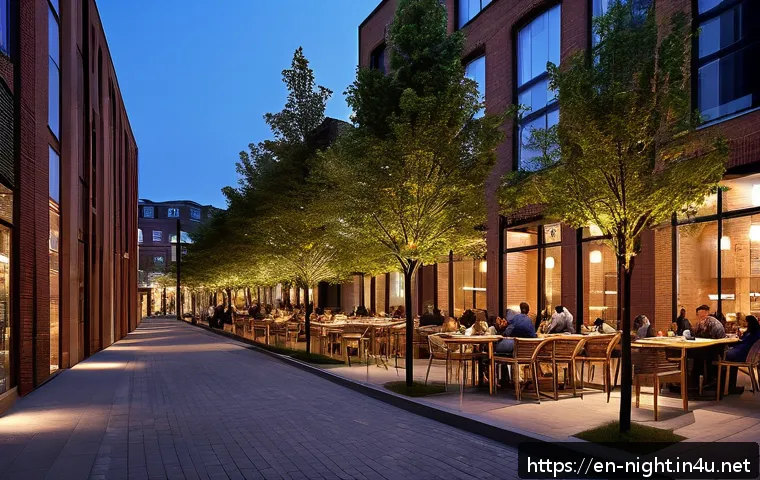
Walking through well-lit plazas and parks at night, I noticed how lighting encourages people to gather and socialize. Warm, diffused lights around seating areas, combined with illuminated pathways, create a sense of safety and welcome.
This encourages evening activities like dining al fresco, street performances, or casual meetups, which in turn foster community bonds. Thoughtful lighting design transforms public spaces from deserted after-hours zones into vibrant hubs of urban life.
Enhancing Wayfinding and Accessibility
Beyond aesthetics, lighting plays a key role in helping people navigate complex urban environments after dark. Clear illumination of signage, crosswalks, and transit stops reduces confusion and improves accessibility for everyone, including those with visual impairments.
From my experience using cities with advanced lighting, intuitive layouts paired with well-placed lights make nighttime travel less stressful and more enjoyable, ultimately increasing foot traffic and economic activity in local businesses.
Promoting Safety and Crime Reduction
Well-designed lighting deters crime by eliminating shadows and dark corners where illicit activities can occur. I recall reading about urban studies showing lower crime rates in neighborhoods where lighting upgrades were implemented thoughtfully.
Beyond just installing more lights, the key is uniform coverage and avoiding glare that can blind pedestrians or drivers. This balance improves real and perceived safety, making residents feel more confident about being out after dark.
Integrating Cultural Narratives Through Illumination
Lighting as Storytelling Medium
Cities often use lighting to reflect their unique history, identity, or values. For example, a landmark building might be bathed in colors representing local heritage or significant events.
During festivals, temporary projections or color shifts bring narratives to life, connecting residents and visitors emotionally. Having witnessed such displays, I found that lighting adds layers of meaning beyond the physical structure, turning buildings into storytellers that engage a wider audience.
Collaborations Between Artists and Technologists
The fusion of creative vision with technological innovation is driving exciting lighting projects. Artists bring conceptual depth and cultural insight, while engineers provide the tools to realize complex light shows or installations.
These collaborations often result in immersive experiences that surprise and delight urban dwellers. From interactive light sculptures to projection mapping on iconic facades, these projects make the nightscape a dynamic gallery open to all.
Preserving Heritage While Embracing Innovation
Balancing modern lighting techniques with the preservation of historic sites is a challenge I’ve seen tackled with care. Using subtle, non-invasive lighting preserves architectural integrity while enhancing visibility and appreciation.
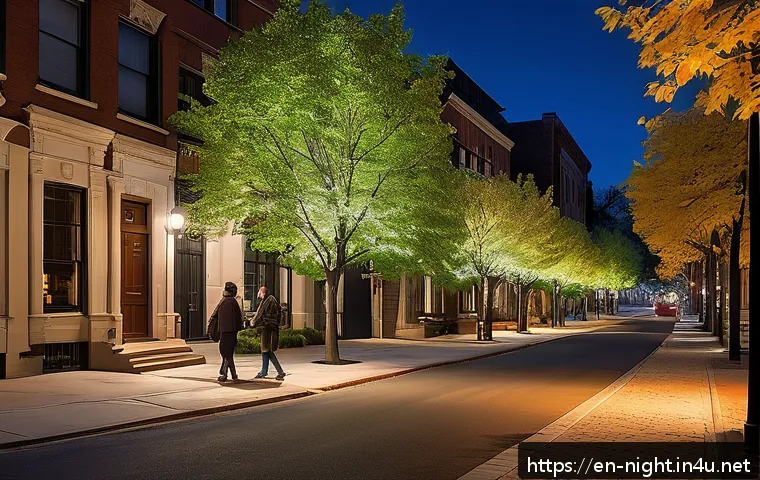
Innovations like fiber optic lighting or low-intensity LEDs allow delicate structures to glow without damage or visual overload. This respectful approach honors the past while inviting contemporary audiences to connect with heritage in fresh ways.
Technology Trends Shaping the Future of Urban Lighting
Smart Lighting Systems and IoT Integration
The rise of the Internet of Things (IoT) is revolutionizing how cities manage lighting. Smart systems can adjust brightness, color, and timing remotely, based on real-time data.
From my conversations with urban planners, these systems offer unprecedented flexibility and efficiency. For instance, lights can dim during low traffic hours or brighten during emergencies, optimizing energy use and enhancing public safety dynamically.
AI and Machine Learning for Adaptive Environments
Artificial intelligence is beginning to play a role in creating adaptive lighting environments that respond intuitively to human behavior and environmental factors.
Imagine streetlights that learn pedestrian patterns and adjust accordingly or lighting that shifts to complement weather conditions. While still emerging, these technologies promise personalized urban lighting that enhances comfort and reduces waste.
Augmented Reality and Immersive Experiences
Augmented reality (AR) combined with architectural lighting opens new avenues for interaction. Visitors could point their smartphones at a building and see layered historical or artistic content illuminated in context.
Such immersive experiences blend physical and digital realms, enriching urban exploration. In places experimenting with AR lighting tours, the feedback has been overwhelmingly positive, indicating strong potential for future adoption.
The Economic Impact of Illuminated Urban Spaces
Boosting Tourism and Local Businesses
A glowing cityscape attracts tourists, especially those seeking memorable nighttime experiences. I’ve personally noticed how illuminated landmarks and vibrant nightscapes become iconic photo spots, shared widely on social media, which fuels further interest.
Increased foot traffic benefits nearby restaurants, shops, and entertainment venues, creating a ripple effect that supports local economies.
Real Estate Value and Urban Renewal
Lighting improvements often coincide with broader urban renewal projects, raising property values and attracting investment. From what I’ve seen in redeveloped neighborhoods, enhanced nighttime aesthetics signal safety and modernity, making areas more desirable for residents and businesses alike.
This positive perception accelerates revitalization and can spark further improvements in infrastructure and services.
Cost Considerations and Return on Investment
While initial lighting upgrades can be costly, the long-term benefits—energy savings, increased commerce, and enhanced quality of life—often justify the expense.
Municipalities that prioritize smart, efficient lighting tend to see measurable returns through lower maintenance costs and higher tax revenues from boosted economic activity.
This financial aspect is critical when advocating for comprehensive urban lighting strategies.
In Conclusion
Thoughtful urban lighting shapes how we experience cities after dark, blending safety, beauty, and culture. By balancing functionality with ambiance and embracing sustainability and technology, cities create inviting spaces that encourage social interaction and economic growth. The future of urban lighting promises even more dynamic and personalized environments, enhancing both quality of life and environmental responsibility.
Helpful Information to Keep in Mind
1. Effective lighting combines direct and indirect sources to create depth and atmosphere without overwhelming brightness.
2. Highlighting architectural details with targeted lighting reveals a building’s story and enhances visual interest.
3. Smart and energy-efficient technologies reduce costs and environmental impact while maintaining high-quality illumination.
4. Well-designed lighting improves safety, accessibility, and encourages community engagement in public spaces.
5. Integrating cultural narratives through lighting fosters local identity and enriches the urban experience.
Key Takeaways
Urban lighting is more than illumination—it’s a tool for storytelling, safety, and sustainability. Balancing aesthetic appeal with energy efficiency ensures cities remain vibrant and responsible after dark. Incorporating smart technologies and interactive elements enhances user experience, while thoughtful design supports social connections and economic vitality. Prioritizing these factors creates nighttime environments that are both welcoming and forward-thinking.
Frequently Asked Questions (FAQ) 📖
Q: uestions about
A: rchitectural Lighting in Urban Nightscapes
Q: How does architectural lighting influence the atmosphere of a city at night?
A: Architectural lighting plays a huge role in shaping a city’s nighttime vibe. It’s not just about making buildings visible after dark; it’s about creating moods and telling stories through light.
For example, warm tones can evoke a cozy, inviting feeling, while dynamic, colorful lighting can energize a district and make it feel lively and modern.
From my experience visiting cities like Tokyo and Amsterdam, the way a building or bridge is lit can completely transform how you experience the space, making it feel magical or futuristic depending on the design choices.
Q: What technologies are commonly used in modern architectural lighting designs?
A: Today’s architectural lighting often relies on LED technology due to its energy efficiency, longevity, and versatility in color and intensity. Smart lighting systems allow for real-time control, enabling dynamic effects and syncing with events or seasons.
For instance, I’ve seen installations where lighting changes color based on festivals or even reacts to the movement of people nearby. This integration of sensors, programmable controls, and sustainable energy solutions is revolutionizing how cities light up their landmarks and public spaces.
Q: Why is architectural lighting important beyond just aesthetics?
A: Beyond making buildings look stunning, architectural lighting has practical and cultural significance. It enhances safety by illuminating streets and public areas, supports local economies by attracting tourists, and helps preserve cultural identity by highlighting historic sites in respectful ways.
When I walked through a city with thoughtfully lit heritage buildings, it felt like the lights were narrating a story of the past while inviting you into the present.
Well-designed lighting fosters a sense of community pride and makes urban nights safer and more enjoyable for residents and visitors alike.