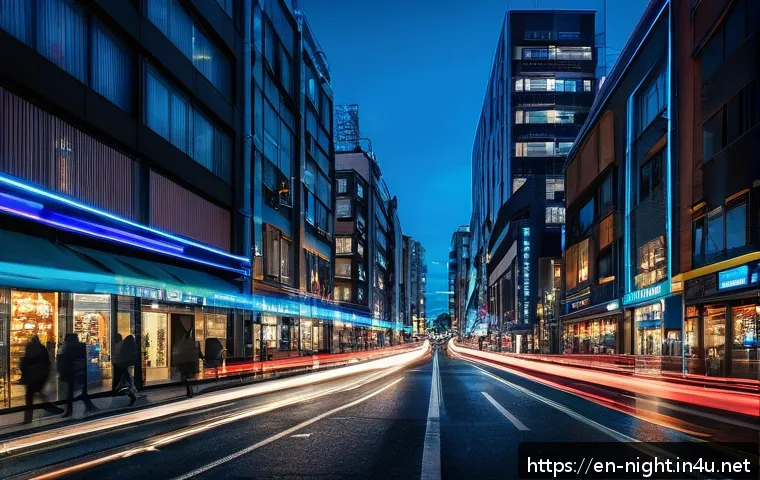
As city lights flicker and the urban skyline glows, a hidden world comes alive beneath the surface of bustling streets. Nighttime in the city reveals surprising encounters with wildlife adapting to the concrete jungle.
From elusive foxes darting through alleyways to owls perched quietly on tall buildings, these urban animals carve out their own nocturnal niches. The contrast between modern architecture and raw nature creates a fascinating dynamic worth exploring.
Understanding how these creatures thrive amid human activity sheds light on the delicate balance of urban ecosystems. Let’s dive deeper and uncover the secrets of city nightlife and its wild residents!
Unexpected Urban Wildlife Encounters
Foxes Navigating the Night Maze
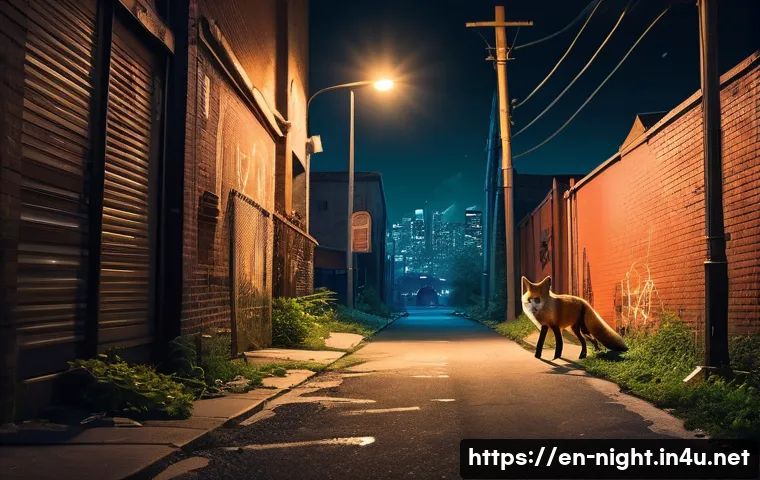
Foxes have become surprisingly adept at maneuvering through the maze of city streets and alleyways after dark. I’ve noticed they tend to move quietly, sticking close to shadows and darting between parked cars or under fences.
It’s almost like they’ve memorized a secret map that keeps them away from human activity while still letting them scavenge for food. Their reddish fur sometimes flashes in the glow of streetlights, a fleeting glimpse of wildness in the concrete sprawl.
What fascinates me most is how they adjust their hunting and scavenging patterns to avoid busy hours, showing remarkable intelligence and adaptability.
Owls Perched on Unlikely Urban Thrones
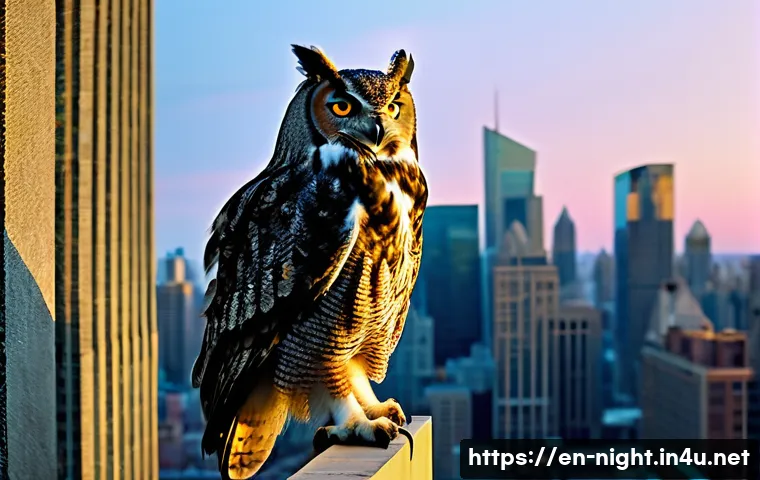
High above the bustling city, owls find refuge on ledges, rooftops, and even in the nooks of old buildings. One evening, I spotted a great horned owl silently observing the street below, its piercing eyes scanning for rodents or small birds.
These nocturnal hunters have adapted to the urban environment by exploiting the abundance of prey that thrives alongside human settlements. Their calls echo eerily between skyscrapers, a reminder that nature’s reach extends far beyond parks and forests.
Watching them in action, you realize they’re not just surviving but thriving in this unusual habitat.
Raccoons: The Nighttime Urban Bandits
Raccoons are infamous for their boldness in cities, and seeing them rummaging through trash bins or climbing fences is almost a nightly event in some neighborhoods.
I’ve observed their dexterous paws deftly opening lids and their curious nature leading them into unexpected places, like attics or abandoned buildings.
Their cleverness and lack of fear toward humans allow them to exploit resources that many other animals can’t access. This adaptability, however, sometimes brings conflicts with residents, highlighting the fine line raccoons walk between cohabitation and nuisance.
Adapting to the Urban Soundscape
Wildlife Adjusting Their Communication
City noise is relentless, from honking cars to late-night construction, and it forces urban animals to tweak how they communicate. Birds, for instance, often sing at higher pitches or during quieter hours to ensure their calls aren’t drowned out.
I recall a park where songbirds shifted their dawn chorus earlier, beating the morning rush of traffic noise. This behavioral flexibility helps them maintain territory, attract mates, and warn of danger despite the challenging soundscape.
Silent Hunters and Stealthy Movements
Many nocturnal creatures like bats and owls have perfected stealth to succeed in urban settings. Their movement is nearly soundless, allowing them to catch prey unaware even amid city clamor.
During a late-night walk, I’ve spotted bats weaving between streetlights, their echolocation guiding them skillfully through obstacles. This silent hunting strategy is a testament to how these species can exploit urban areas without falling prey to human disturbances.
Hidden Green Spaces as Urban Sanctuaries
Pocket Parks and Community Gardens
Small patches of greenery scattered throughout the city serve as vital refuges for urban wildlife. I’ve seen how these pockets, often overlooked by passersby, become buzzing microhabitats at night.
They provide shelter, food sources, and breeding grounds for insects, birds, and small mammals. Community gardens, in particular, attract a surprising variety of animals, creating a miniature ecosystem thriving amidst concrete and asphalt.
Rooftop Habitats and Vertical Gardens
Innovative urban designs like green roofs and vertical gardens offer new havens for wildlife. I once visited a rooftop garden where butterflies fluttered among flowers, and bees busily collected nectar.
Such spaces not only improve air quality and aesthetics but also extend habitat availability vertically, compensating for the loss of ground-level natural areas.
These green innovations are crucial for maintaining biodiversity in dense urban centers.
Challenges Facing City-Dwelling Wildlife
Human-Wildlife Conflicts
Despite their adaptability, urban animals often face conflicts with people. Encounters with raccoons or coyotes can lead to property damage or safety concerns, sparking calls for removal or control.
I’ve heard neighbors express frustration over nocturnal noises or garden raids, which highlights the tension between wildlife presence and human comfort.
Finding balanced solutions that protect both animals and residents is an ongoing urban challenge.
Pollution and Habitat Fragmentation

Cities are rife with pollutants—light, noise, chemical—that impact wildlife health and behavior. For example, artificial lighting disrupts natural cycles, affecting breeding and feeding habits.
Habitat fragmentation caused by roads and buildings isolates populations, reducing genetic diversity. I’ve noticed how some species become trapped in tiny green islands, limiting their movement and survival chances.
Addressing these environmental pressures is key to sustaining urban ecosystems long term.
Urban Wildlife Monitoring and Citizen Science
Community Involvement in Wildlife Tracking
Increasingly, city dwellers are taking part in monitoring local wildlife through apps and organized surveys. I’ve personally joined a neighborhood group that logs sightings of nocturnal animals, contributing valuable data to conservationists.
This citizen science approach not only raises awareness but also empowers people to coexist more thoughtfully with their wild neighbors.
Technological Tools Enhancing Urban Ecology Studies
Advancements like motion-activated cameras and acoustic sensors provide detailed insights into urban wildlife behavior. In one project I followed, researchers used cameras placed in alleyways to document fox activity patterns over months.
These tools reveal hidden habits and population trends, informing better urban planning and wildlife management strategies.
Benefits of Urban Wildlife to City Life
Ecological Services Provided by Animals
Urban wildlife contributes essential ecological functions such as pest control, pollination, and seed dispersal. For instance, bats consume vast numbers of insects, reducing the need for chemical pesticides.
Birds help control insect populations and spread plant seeds, fostering urban greenery. Recognizing these benefits shifts perspectives from nuisance to appreciation.
Enhancing Human Wellbeing Through Nature Connection
Interacting with or simply observing wildlife in the city has proven psychological benefits. I find that spotting a fox or hearing an owl at night brings moments of calm and wonder, breaking the monotony of urban life.
These encounters remind us of nature’s resilience and inspire efforts to protect and integrate wildlife-friendly spaces within our cities.
Key Urban Wildlife Species and Their Habits
| Species | Typical Habitat | Nocturnal Behavior | Urban Adaptations |
|---|---|---|---|
| Red Fox | Alleyways, parks, vacant lots | Active hunting and scavenging at night | Uses human structures for shelter, avoids busy areas |
| Great Horned Owl | Rooftops, tall trees, building ledges | Silent hunting from elevated perches | Exploits urban prey, adapts call timing |
| Raccoon | Garbage bins, backyards, sewers | Forages extensively after dark | Dexterous paws, boldness near humans |
| Bat Species | Under bridges, attics, trees | Echolocation-guided insect hunting | Navigate city lights, roost in urban crevices |
| Songbirds | City parks, gardens, green rooftops | Alter singing times to avoid noise | Adjust pitch and timing of calls |
Conclusion
Urban wildlife reveals an incredible story of resilience and adaptation in the face of city life’s challenges. Observing these animals up close offers a fresh perspective on coexistence and the hidden natural world within our concrete jungles. Their presence enriches urban environments, reminding us that nature persists even amid human bustle. By fostering awareness and thoughtful planning, we can support thriving wildlife alongside vibrant city living.
Useful Information to Know
1. Urban animals like foxes and raccoons have developed clever strategies to avoid humans while finding food and shelter in city landscapes.
2. Noise pollution prompts many birds to change their singing habits, often shifting their active times to quieter hours to communicate effectively.
3. Small green spaces such as pocket parks and rooftop gardens serve as crucial refuges, supporting biodiversity even in densely built areas.
4. Technological tools like motion-activated cameras and acoustic sensors are invaluable for tracking urban wildlife behavior and informing conservation efforts.
5. Despite some conflicts, urban wildlife provides important ecological benefits including pest control and pollination, which contribute to healthier city ecosystems.
Key Takeaways
Understanding urban wildlife requires recognizing their remarkable ability to adapt to human-dominated environments, yet they still face threats from pollution and habitat loss. Encouraging coexistence involves balancing human needs with wildlife protection through community engagement and innovative green spaces. Supporting these efforts not only benefits animals but also enhances the quality of urban life for residents by reconnecting us with nature’s presence in unexpected places.
Frequently Asked Questions (FAQ) 📖
Q: What types of wildlife are commonly found active in cities at night?
A: In urban environments after dark, you’re likely to encounter animals like foxes, raccoons, owls, bats, and sometimes even coyotes. These creatures have adapted to city life by finding food sources in trash bins, parks, or small green spaces, and they often use alleyways, rooftops, and quiet streets to move around safely.
For example, I once spotted a red fox stealthily crossing a dimly lit alley, which was a surprising reminder of how wildlife coexists with human activity.
Q: How do urban animals manage to thrive despite the noise and lights of the city?
A: Urban wildlife has developed remarkable strategies to cope with the constant hustle and bustle. Many species become nocturnal to avoid humans during the busy day, taking advantage of quieter nights.
They also use the city’s structural features—like abandoned buildings or dense shrubbery—for shelter. From my experience observing owls perched atop skyscrapers, these animals seem to exploit the city’s vertical spaces to hunt and rest safely, demonstrating their impressive adaptability.
Q: Why is it important to understand and protect wildlife in urban settings?
A: Recognizing how animals live and thrive in cities helps us appreciate the delicate balance between human development and nature. Protecting urban wildlife contributes to healthier ecosystems, controlling pests naturally and promoting biodiversity.
On a personal note, seeing a raccoon family in a city park made me realize that these animals aren’t just surviving; they’re an integral part of our shared environment.
Supporting green spaces and reducing pollution can make a real difference for these hidden city dwellers.