There’s a special kind of magic that unfolds after sunset, isn’t there? As a photographer, chasing that perfect glow of a cityscape or the serene stillness of a moonlit landscape is truly exhilarating.
But in our quest for breathtaking night shots, it’s incredibly easy to overlook a crucial element: the legal side of things. I’ve personally found myself in situations where a seemingly innocent photo op could have quickly turned into a tricky legal matter, making me realize just how vital it is to understand the rules.
With drone technology making aerial perspectives more accessible than ever, and privacy concerns becoming increasingly prominent in our always-on world, navigating property rights, public spaces, and individual privacy isn’t just about being polite – it’s about staying compliant and avoiding serious headaches.
Trust me, you don’t want your passion project to land you in hot water. So, before you head out with your gear next time, let’s make sure you’re fully equipped with the knowledge to capture those stunning night scenes safely and legally.
We’ll dive deep into exactly what you need to know to protect yourself and your craft.
Unmasking the Rules: Public Spaces vs. Private Property After Dark
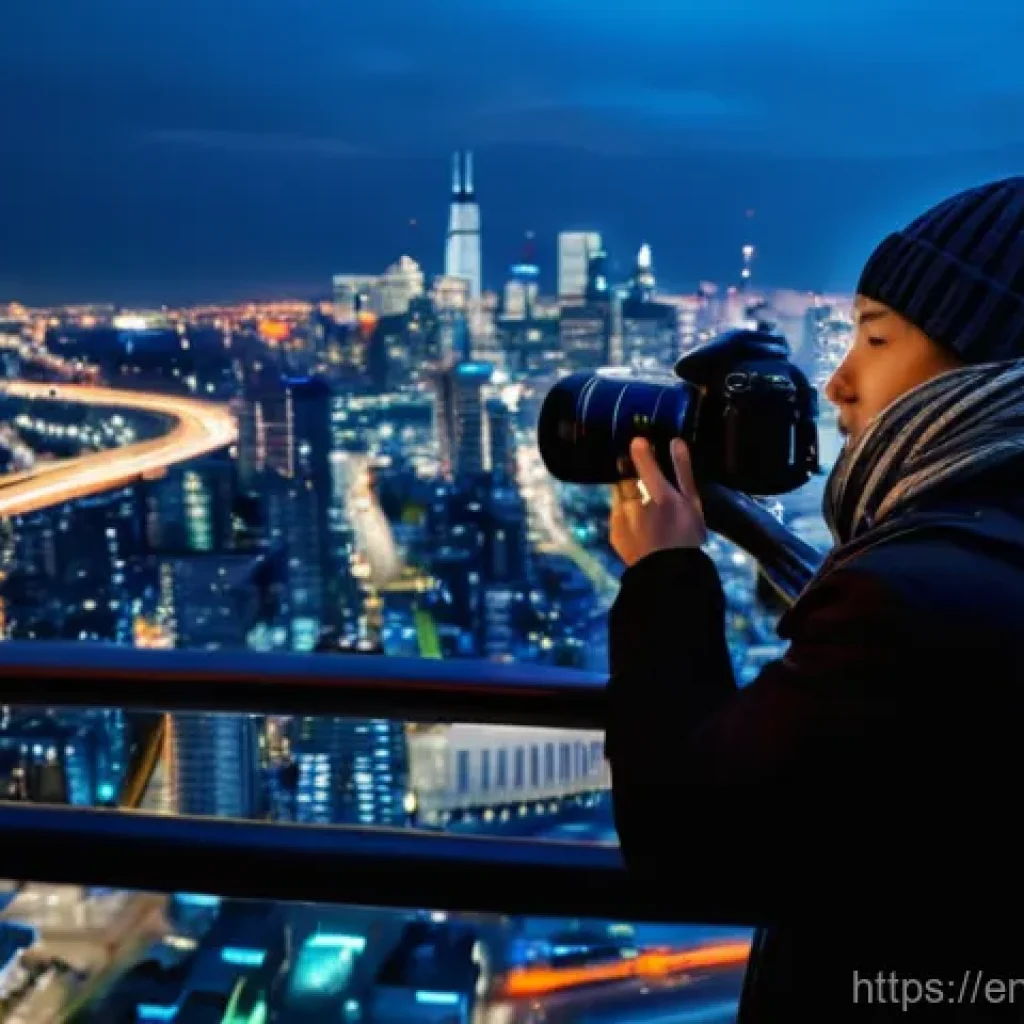
It’s a common misconception, especially when you’re caught up in the thrill of a breathtaking night scene, that if you can see it from a public spot, you can photograph it. Oh, how I wish that were always true! I’ve personally learned this the hard way, almost stumbling into a tricky situation because I hadn’t properly distinguished between what’s genuinely public and what just *looks* public. For instance, many privately owned spaces, like shopping malls, office complexes, or even certain parks, might appear open to the public but have very specific rules about photography, especially commercial photography, or even just carrying professional gear. You might be standing on a public sidewalk, but if your lens is pointed into a private establishment, you could be infringing on their property rights or privacy expectations. It’s not just about trespassing; it’s about understanding the nuances of property lines and designated uses. Always double-check before you set up your tripod, because what seems like an innocent shot could land you in a conversation you’d rather avoid. My rule of thumb: when in doubt, find out! A quick search or a discreet inquiry can save you a lot of hassle and potential legal woes, allowing you to focus on getting that perfect glow.
When a Public Space Becomes Private
This one always gets me! You’re out on a bustling city street, a truly public domain, and then you step onto the steps of a museum or a plaza owned by a corporate entity. Suddenly, you’ve moved from a public right-of-way to private property that simply *permits* public access. It’s a subtle but critical distinction. These “quasi-public” spaces often have their own set of rules, which can include restrictions on photography. I remember one time, I was trying to capture the stunning architectural lighting of a new building from what I thought was a public square, only to be politely but firmly told by security that professional photography wasn’t allowed without a permit. My heart sank, but I understood. They weren’t trying to be difficult; they were simply enforcing the property owner’s rights. It’s truly eye-opening how many seemingly public areas fall under this category, and understanding this can really change how you approach your night shoots. Always be mindful of signage, and if there’s no clear indication, assume it might be private until you confirm otherwise.
Navigating Permits and Permissions
Let’s talk permits. Oh, permits! They can feel like a bureaucratic headache, but trust me, they are your best friend when you want to shoot in certain locations, especially if your photography has any commercial intent or involves extensive equipment. I’ve found that some of the most iconic night photography spots, like famous bridges or national parks, often require permits, even for personal use, especially if you’re using a tripod or blocking pedestrian traffic. It’s not just about avoiding a fine; it’s about respecting the space and the people who manage it. Ignoring permit requirements can lead to being asked to leave, having your gear confiscated, or even worse, facing legal action. For larger projects or commercial shoots, securing the proper permits is non-negotiable. I always recommend planning well in advance, as some permits can take weeks or even months to process. This foresight ensures that when you finally get to that dream location, you can shoot with complete peace of mind, knowing all your legal bases are covered.
Respecting Personal Space: The Right to Privacy
This is where things can get really sensitive, especially in our hyper-connected world. While you might be drawn to the dynamic energy of people enjoying a night out, capturing individuals in your night photography brings a whole new layer of legal and ethical considerations: the right to privacy and likeness. I’ve often found myself zooming in on a vibrant street performer or a couple sharing a quiet moment under city lights, only to pull back and ask myself, “Is this okay?” It’s not just about what you *can* do, but what you *should* do. People have a reasonable expectation of privacy, especially when they’re not actively performing or participating in a public event. This becomes even more critical when photographing children. My personal policy is always to err on the side of caution. If someone is recognizable and appears to be in a private moment, I either adjust my shot to exclude them or, better yet, ask for their permission. It builds trust and ensures you’re not invading someone’s personal space for the sake of a photograph.
Capturing Individuals: Consent is Key
When it comes to people, consent is gold. While general street photography often falls under the umbrella of public domain, there’s a significant difference between capturing a crowd and singling out an individual, especially in a way that could be perceived as intrusive or exploitative. I’ve learned that a simple “Do you mind if I take your photo?” can open doors, build rapport, and often results in a far more authentic and powerful image. For commercial use, a signed model release form is absolutely essential. Without it, you could face legal challenges for using someone’s image to promote a product or service. This is particularly relevant if you’re selling prints or licensing your work. I always carry a few blank release forms with me, just in case a spontaneous opportunity arises. It’s not just about avoiding lawsuits; it’s about treating people with respect and upholding ethical standards in your craft. Remember, your camera might be powerful, but a genuine smile and a polite request are often more so.
Protecting Private Residences from Your Lens
We all love those cozy, warmly lit windows or the intricate architectural details of a home glowing under the moonlight. But point your long lens at someone’s house, and you might be heading into murky legal waters regarding privacy. Even from a public street, if you’re photographing into someone’s private residence in a way that suggests intrusion or harassment, you could be violating their expectation of privacy. I’ve had to actively restrain myself from getting “that perfect shot” of a beautifully decorated home simply because it felt too intrusive. Imagine someone pointing a huge lens into your living room window at night – it’s unsettling, right? This concern is amplified if you’re using specialized equipment like infrared cameras or powerful telephoto lenses that can see into private spaces from a distance. The line here is often subjective, but generally, if your shot makes someone feel exposed or surveilled, it’s probably crossing a boundary. It’s a crucial aspect of responsible night photography, reminding us that stunning images should never come at the cost of another’s peace of mind.
Drones and the Nocturnal Sky: Navigating Airspace Laws
Drone photography at night? Now, that’s where the magic truly happens, but also where the legal landscape becomes incredibly complex, incredibly quickly. The allure of those unique aerial perspectives, capturing cityscapes from a bird’s-eye view, is undeniable. I remember the first time I sent my drone up at dusk, watching the city lights twinkle beneath, and I was completely captivated. However, that excitement quickly tempered with a strong dose of reality when I started digging into the regulations. It’s not just about operating your drone safely; it’s about understanding the specific rules for night operations, airspace restrictions, and, critically, the enhanced privacy concerns when you’re flying a camera above people’s homes and public spaces after dark. What might be permissible during the day can be strictly prohibited or require special authorizations once the sun goes down. Ignorance of these laws is definitely not bliss, and can lead to hefty fines or worse, losing your valuable equipment.
FAA Regulations and Local Ordinances
For drone enthusiasts in the U.S., the Federal Aviation Administration (FAA) is your guiding star, and their rules for night flights have recently seen some significant updates. Previously, night operations were largely restricted, but now, with proper anti-collision lighting and specific training or certification, certified drone pilots can fly at night. However, this isn’t a free pass. You still need to be acutely aware of controlled airspace, temporary flight restrictions (TFRs), and, critically, local city ordinances. Many municipalities have their own, often stricter, rules about drone usage, especially in crowded urban areas or near sensitive infrastructure. I’ve personally checked the local regulations for every new city I’ve flown in, and it’s surprising how varied they can be. A quick check with the local city planning department or police non-emergency line can clarify any specific restrictions. Don’t assume that just because the FAA permits something, your local jurisdiction does too.
Privacy Concerns with Aerial Photography
This is perhaps the trickiest part of night drone photography: privacy. When you’re flying a camera hundreds of feet in the air, you have an unprecedented vantage point, but with that comes an immense responsibility. Capturing images of private property, or worse, individuals, from above, especially at night when people often feel most secure in their homes, can lead to serious privacy complaints or legal action. The general rule of thumb is to avoid flying over private property without explicit permission. Even when flying over public spaces, be incredibly mindful of your camera’s angle and zoom. I always try to maintain a respectful distance and focus on broader landscapes or architectural elements rather than inadvertently capturing identifiable individuals or intimate glimpses into private lives. It’s about being a good neighbor and a responsible pilot, ensuring your breathtaking aerial shots don’t come at the expense of someone’s personal peace.
Safeguarding Your Creative Brilliance: Copyright and Usage
You’ve poured your heart and soul into capturing those incredible night photos – spent hours battling the cold, fine-tuning settings, and painstakingly editing to perfection. That unique vision, that moment you froze in time, it’s *yours*. But in the digital age, where images can be shared and appropriated with a click, understanding your rights regarding copyright and usage is more crucial than ever. I’ve had my work used without permission more times than I care to count, and it’s a truly disheartening experience. It makes you realize that while your passion is to create, you also need to be fiercely protective of your intellectual property. Knowing how to secure your creative work and, just as importantly, how to license it ethically, isn’t just a legal formality; it’s about valuing your time, skill, and artistic contribution. This knowledge is your shield in a world where content flies freely.
Securing Your Creative Work
Copyright protection for photographers starts the moment you press the shutter button. In most countries, your image is automatically copyrighted upon creation. However, true legal protection, especially in the U.S., comes from registering your copyright with the U.S. Copyright Office. This isn’t just a suggestion; it’s a critical step if you ever need to pursue legal action against infringement. I’ve personally gone through the registration process, and while it might seem a bit tedious, the peace of mind it offers is invaluable. Beyond formal registration, always embed metadata with your copyright information into your image files. A strong watermark, strategically placed, can also deter casual theft, though it’s never foolproof. Consider also using low-resolution versions for online sharing and clearly stating your copyright terms on your website or social media profiles. These proactive steps are your first line of defense in protecting your valuable night photography from unauthorized use.
Licensing Your Photos Ethically
Once you’ve created stunning night images, the next step might be to share them, sell them, or license them for various uses. This is where ethical licensing comes into play. If someone wants to use your photo for their website, an advertisement, or a publication, a clear licensing agreement is essential. It defines how, where, and for how long they can use your work, and crucially, how much you’ll be compensated. I’ve learned to be very precise with my licensing terms, specifying everything from geographic reach to media type. This isn’t about being difficult; it’s about professionalism and ensuring fair compensation for your talent. It also prevents misunderstandings and potential disputes down the line. Remember, every time you license a photo, you’re not just providing an image; you’re selling a limited right to use your creative output. Doing this ethically ensures your work is respected and valued by clients and collaborators alike.
Navigating Potential Challenges and Proactive Strategies
Even with all the preparation in the world, sometimes you’ll find yourself in a sticky situation while out shooting at night. It’s almost inevitable if you’re venturing into diverse locations and interacting with the public. I’ve certainly had my share of uncomfortable encounters – from curious onlookers turning hostile to security guards questioning my intentions. The key here isn’t to avoid these situations entirely, which is often impossible, but to know how to handle them gracefully and legally when they arise. It’s about de-escalation, clear communication, and knowing your rights without being confrontational. Being prepared for these moments is just as important as knowing your camera settings. Think of it as another essential piece of gear in your photography bag: a solid understanding of how to protect yourself and your work when things get a little tense.
What to Do if Challenged
So, you’re out there, getting that perfect long exposure of a city skyline, and suddenly someone approaches you, asking what you’re doing. First off, stay calm. Panicking never helps. I’ve found that a polite, confident, and brief explanation of what you’re doing (“I’m a photographer capturing the city lights, no commercial intent,” if applicable) usually diffuses most situations. If it’s a property owner or security guard, respect their authority. If they ask you to move, or to stop shooting in a private area, comply. It’s rarely worth escalating. If you truly believe you are within your legal rights on public property and are being unduly harassed, calmly state your understanding of your rights. However, never physically resist or destroy your property (like deleting images) if asked. Instead, politely inform them that you do not consent to their request and seek legal counsel later if necessary. Documenting the encounter discreetly (e.g., noting badges, names, and times) can be helpful if issues persist.
Building a Proactive Photography Ethic
Beyond simply avoiding legal trouble, cultivating a strong ethical framework for your night photography actually enhances your craft. It’s about building a reputation as a responsible and respectful artist. This means proactively considering the impact of your photography on others and the environment. I always ask myself: “Does this shot infringe on anyone’s privacy? Am I disturbing wildlife? Am I leaving the location exactly as I found it, or better?” It’s about being a thoughtful human first, and a photographer second. This proactive ethic also includes being clear about your intentions, whether through a business card that explains your work, or simply being approachable if someone has questions. When you demonstrate respect, you often receive it in return, making your night photography journeys not only more legally sound but also more enjoyable and rewarding for everyone involved.
Understanding Commercial vs. Personal Use
This is a line that often gets blurry, especially for passionate hobbyists who might stumble into commercial opportunities. What starts as a personal project, a labor of love capturing the beauty of the night, can sometimes morph into something that has monetary value. I’ve been there – taking a stunning photo, sharing it online, and then suddenly getting an inquiry from a local business or publication wanting to use it. That’s fantastic, right? Absolutely! But this transition from personal joy to commercial asset immediately triggers a host of new legal considerations. The rules for what you can photograph and how you can use those images change dramatically when money enters the equation. It’s not just about getting paid; it’s about understanding the legal framework that protects both you and the entities using your work. This distinction is crucial for every photographer, whether you aspire to be a full-time pro or just want to sell a few prints.
Defining Commercial Intent
So, what actually constitutes “commercial intent”? It’s more than just selling a print. Generally, if you’re using an image to promote a product, service, or idea, or to generate revenue (directly or indirectly), it’s considered commercial. This includes using photos in advertisements, brochures, websites, social media posts by businesses, or even as part of a publication you’re selling. For example, if I take a beautiful night shot of a local restaurant and they later want to feature it on their menu, that’s commercial use. The crucial point here is that for commercial use, you often need different levels of permission, especially if people, private property, or trademarked elements are visible. I always advise my fellow photographers to think about the *purpose* of the photo. Is it purely for artistic expression and personal enjoyment, or does it have the potential to contribute to someone’s (or your own) financial gain? Your answer will guide your legal obligations.
The Impact on Model and Property Releases
Here’s where commercial intent really shakes things up. For purely personal or editorial use, a model release might not always be strictly necessary for recognizable individuals in public spaces (though it’s still good practice). However, the moment that image is used commercially, a signed model release becomes paramount. Similarly, if your night shot features clearly identifiable private property, like a unique building or a beautifully lit garden, you might need a property release from the owner for commercial usage. I’ve learned never to skimp on these releases when the potential for commercial use exists. Imagine taking a stunning night photo of a new, architecturally significant building and a year later, an advertising agency wants to use it for a major campaign. Without a property release, you could be facing a legal battle. It’s a bit of extra paperwork, yes, but it’s your absolute best protection and allows you to confidently monetize your amazing night photography.
Navigating Photography in Special Zones
Not all public spaces are created equal, and this becomes exceptionally clear when you start venturing into areas designated as “special zones” for various reasons. Think about airports, military bases, government buildings, or even certain protected natural parks at night. These locations, while sometimes publicly accessible to a degree, operate under a much stricter set of rules due to security concerns, environmental protection, or national importance. My experience has taught me that the default assumption of “I can shoot what I see” often doesn’t apply here, especially after dark. The stakes are higher, and a simple misstep could lead to serious consequences, far beyond just being asked to leave. It requires an extra layer of diligence and research, ensuring you understand the specific nuances before you even consider bringing your camera out. These are the places where being overly cautious is not just wise, but absolutely essential for your safety and legal compliance.
Government Buildings and Infrastructure
Photographing government buildings, bridges, dams, or other critical infrastructure at night can be particularly tricky. While many public buildings are fair game during the day from public sidewalks, their security posture often heightens significantly after sunset. I’ve had encounters near federal buildings where even setting up a tripod on a public street led to immediate questioning by security personnel. The concern is understandable: these locations are potential targets, and anyone with professional camera gear can be perceived as a risk. Some areas might have explicit “no photography” signs, especially at night, or restrict the use of tripods. Always look for these signs, and if in doubt, avoid. It’s simply not worth the potential trouble, which could range from having your equipment inspected to being detained for questioning. Prioritize safety and avoid any situations that could be misinterpreted as suspicious activity.
National Parks and Protected Areas
National Parks offer some of the most spectacular night sky photography opportunities imaginable, but they also come with a unique set of regulations designed to protect both visitors and the natural environment. Many parks have specific rules about where you can set up equipment, what kind of lighting you can use (light pollution is a big concern), and even what time you can be in certain areas. I’ve found that some parks require permits for night photography, especially if you’re venturing off-trail or using extensive gear. The emphasis here is often on “leave no trace” principles, which extend to your photographic activities. For instance, light painting might be restricted or completely forbidden to avoid disturbing wildlife or impacting the experience of other visitors. Always check the specific park’s website or visitor center for their photography guidelines before you go. It’s a small effort that ensures you can capture those stunning celestial scenes without unintentionally harming the pristine environment or breaking park rules.
The Power of Documentation and Good Habits
Alright, we’ve covered a lot of ground, from property lines to privacy and permits. But here’s a secret weapon that often gets overlooked: good documentation and building proactive habits. In the rare but real event that you *do* encounter a legal challenge or a disagreement about your night photography, having your ducks in a row can make all the difference. It’s not just about protecting yourself; it’s about demonstrating your professionalism and respect for the law. I’ve learned that the little things, the seemingly minor administrative tasks, can become incredibly important when you need them most. Think of it as your safety net, allowing you to focus on the creative aspect of your passion without constantly worrying about legal pitfalls. It’s all about reducing risk and empowering yourself to shoot confidently.
Keeping Records of Permissions and Releases
If you’ve gone through the trouble of getting a permit for a location, or a model release from an individual, or a property release from an owner, *keep those records organized and accessible*. I can’t stress this enough. I maintain a digital folder for every significant shoot, storing copies of all relevant documents. If someone ever challenges your right to use an image, being able to immediately produce a signed release or a valid permit is incredibly powerful. This also applies to any email correspondences where permission might have been granted for a specific use. It’s like having an unbreakable alibi for your photography. Don’t just file them away and forget about them; know exactly where they are. This habit has saved me headaches more than once and ensures that my creative work is backed up by solid legal groundwork.
Fostering Professionalism and Building Trust
Beyond the legalities, simply operating with a high level of professionalism and integrity goes a long, long way. This means being polite and respectful when interacting with the public, security personnel, or property owners. It means leaving every location exactly as you found it. It means being transparent about your intentions. When you conduct yourself professionally, you not only minimize potential conflicts but also build trust. People are far less likely to challenge someone who appears to be genuinely respectful and responsible. I’ve found that a friendly demeanor and a clear explanation of my work (“I’m just capturing the beautiful architecture, not aiming at anyone specific!”) can defuse almost any tense situation. This proactive approach to building good relationships and maintaining a stellar reputation is, in itself, a powerful form of legal protection for any night photographer.
| Aspect of Night Photography | Key Legal Consideration | Best Practice for Photographers |
|---|---|---|
| Public vs. Private Property | Right to photograph from public space, but restrictions on private property (even if publicly accessible). | Always check for “no photography” signs; assume private rules apply on privately owned plazas/malls. |
| Individuals and Privacy | People have an expectation of privacy, especially if identifiable in private moments. | Get explicit consent for recognizable individuals, especially for commercial use (model releases). |
| Drones (UAS) at Night | FAA regulations for night flight (lighting, certification) and local ordinances. Enhanced privacy concerns. | Ensure proper lighting & pilot certification; avoid flying over private property without permission. |
| Copyright & Usage | Automatic copyright upon creation, but registration offers stronger legal recourse. | Register important images with the Copyright Office; use metadata and clear licensing agreements. |
| Special Zones (Gov. Bldgs, Parks) | Heightened security, environmental protection, or specific park rules often apply. | Research specific regulations (permits, restricted areas) before planning your shoot. |
Ethical Considerations Beyond the Letter of the Law
While we’ve focused heavily on the legal framework, true mastery of night photography, especially in public spaces, also demands a deep understanding of ethics – the unspoken rules, the moral compass that guides our actions even when the law is silent. I’ve realized that simply being *legally allowed* to do something doesn’t always make it *right*. This is particularly true after dark when shadows play tricks and people’s sense of security can be more fragile. My passion for capturing the night extends beyond just getting the shot; it’s about doing so in a way that respects my surroundings, the people within them, and the integrity of my own artistic vision. This nuanced approach to ethics often prevents potential legal issues from even arising, simply by fostering goodwill and responsible behavior. It’s about being a conscious creator, not just a technical expert.
The “Golden Rule” of Night Photography
For me, the “Golden Rule” in night photography is quite simple: treat others as you would want to be treated if the roles were reversed. Would you want a photographer with a massive lens pointing at your home late at night? Probably not. Would you appreciate being suddenly illuminated by a flash while enjoying a quiet moment? Unlikely. This empathy guides many of my decisions when I’m out shooting. It means being discreet, minimizing disturbance, and being mindful of noise and light pollution. If I’m light painting, for instance, I always consider if my beam of light might be disturbing nearby residents or disrupting the experience of other stargazers. It’s about more than just avoiding a fine; it’s about being a considerate member of the community and ensuring your pursuit of art doesn’t negatively impact others. This personal ethos creates a positive feedback loop, leading to more rewarding experiences for everyone.
Preserving the Scene and Your Reputation
Night photography often involves venturing into beautiful, sometimes fragile, environments. From pristine natural landscapes to historic urban areas, the places we shoot are often treasures that need to be preserved. My personal commitment is always to leave no trace – pack out everything I pack in, and even pick up any litter I might find. This isn’t just an environmental responsibility; it also directly impacts your reputation as a photographer. News travels fast, especially in local communities. A photographer known for leaving trash or damaging property will quickly find doors closing on potential shooting locations and collaborations. Conversely, one known for respect and care will be welcomed. Your actions, both on and off camera, reflect on your entire body of work. By adhering to strong ethical standards, you’re not just protecting the environment; you’re building a legacy of responsible artistry that will serve you well throughout your photographic journey.
Closing Thoughts
Phew, we’ve covered a lot of ground tonight, haven’t we? From the subtle lines between public and private to the sky-high complexities of drones, and the invaluable shield of copyright – it can feel like a maze sometimes. But ultimately, my goal, and I hope yours too, is to help you navigate this beautiful journey of night photography with confidence and peace of mind. It’s all about empowering you to keep chasing those stunning low-light shots, knowing you’re doing so respectfully, legally, and with an unwavering commitment to your art and your community. Keep learning, keep exploring, and most importantly, keep creating!
Useful Information to Know
1. Always Carry ID and Relevant Permits: Just like you wouldn’t leave home without your camera, make sure you have your photo ID, any required photography permits (for specific locations or commercial shoots), and drone pilot certifications readily accessible. A clear, calm presentation of these can often resolve misunderstandings before they escalate. It shows you’re a responsible photographer and often earns immediate respect from authorities.
2. “Reasonable Expectation of Privacy” is Key: This legal concept underpins much of what we discussed about photographing people and private property. Even in public spaces, people have an expectation not to be unduly scrutinized or have their private lives invaded. Always consider if your shot intrudes on this expectation. When in doubt, err on the side of caution and respect.
3. The Power of the Polite Request: A simple, friendly “Do you mind if I take your picture?” or “Is it okay to set up my tripod here?” can open doors and prevent conflicts. Most people are amenable if approached respectfully. This goes for property owners, security, and individuals alike. It’s amazing what a little courtesy can achieve, often leading to even better photo opportunities.
4. Document, Document, Document: Keep meticulous records of any permissions, model releases, property releases, or communications regarding your shoots. Digital copies on your phone or in cloud storage can be a lifesaver. This proof is your strongest defense if your work or actions are ever challenged. Don’t underestimate the power of a clear paper trail in protecting your art.
5. Stay Updated on Local Laws: Laws around photography, especially drone use and privacy, are constantly evolving. What was permissible last year might be restricted today. Before heading to a new location or embarking on a challenging project, take a few minutes to do a quick online search for local ordinances and current regulations. This proactive step can save you immense headaches and potential legal trouble.
Key Takeaways
Navigating the legal and ethical landscape of night photography might seem daunting at first, but it truly boils down to a few core principles that will keep you on the right side of the law and, more importantly, a respected member of the photographic community. Always distinguish between truly public spaces and privately owned areas that permit public access; the rules change dramatically, and knowing this difference is your first line of defense against accidental trespassing or permit violations. When it comes to photographing people, remember that consent is paramount, especially for identifiable individuals and any commercial use; a signed model release is non-negotiable for selling your images.
Drone pilots, you carry an extra layer of responsibility – know your FAA regulations for night flights, ensure proper lighting, and be acutely aware of privacy concerns from above. Your aerial vision is amazing, but it must respect personal boundaries. Furthermore, understand that your unique creative work is automatically copyrighted, but formal registration with the U.S. Copyright Office provides far stronger legal recourse against infringement. Lastly, foster a proactive photography ethic; operate with professionalism, respect property and privacy, and always leave a location as good as, or better than, you found it. These habits not only prevent legal issues but also build trust and a positive reputation, making your entire photographic journey more rewarding and sustainable.
Frequently Asked Questions (FAQ) 📖
Q: I’m often mesmerized by the beautiful lights of private buildings and homes after dark, especially when I’m on a public street. Is it really okay to photograph them without any issues, or am I crossing a line?
A: Oh, I totally get that feeling! There’s a certain allure to a beautifully lit building at night, isn’t there? From my own experience, and after a few close calls I’ve learned from, generally speaking, if you’re standing on public property—like a sidewalk or a park—you usually have the right to photograph anything visible from that public vantage point, even if it’s private property.
Think of it this way: if someone can see it with their naked eye from where you’re standing, you can usually photograph it. However, and this is a big “however,” this freedom doesn’t extend to trespassing.
You absolutely cannot step onto private property without permission to get a shot, no matter how epic it might seem. And while you might be able to photograph a building, focusing intensely on an individual’s private residence in a way that could be perceived as intrusive or harassing?
That’s definitely murky water, and it’s best to steer clear. It’s all about maintaining a respectful distance and not creating a “reasonable expectation of privacy” violation.
I always advise fellow photographers to use their best judgment. If it feels creepy or like you’re invading someone’s space, it probably is. Just ask yourself, would I want someone doing this to my home?
Trust your gut!
Q: Night photography often captures the vibrant energy of people in cityscapes, but I always wonder about the legalities of photographing individuals in public.
A: nd now with drones, do they complicate things even more when trying to get those overhead shots after dark? A2: That’s such a fantastic question, and one I’ve wrestled with many times myself!
Capturing the human element in a night scene can add so much life to your photos. In most public places, people generally have a much lower expectation of privacy, meaning you can typically photograph them without their explicit permission, especially if they are incidental to a broader scene.
This is especially true for news or artistic purposes, or if they are performing publicly. However, intent truly matters here. If you’re specifically singling out an individual, following them, or capturing them in a way that feels invasive or exploitative, you could run into trouble.
And if you ever plan to use a photo of an identifiable person for commercial purposes – like in an advertisement or selling it as stock photography – you absolutely need a signed model release.
I learned that the hard way when a photo agency rejected one of my favorite street shots because I didn’t have the proper consent! Now, drones? Oh boy, they’re a whole new ballgame, especially at night.
While they offer incredible perspectives, they also introduce a host of new legal challenges. Many regions have strict regulations about flying drones at night, often requiring special waivers or licenses for commercial operations.
Beyond that, drones heighten privacy concerns exponentially. An aerial view can easily peer into private spaces that are normally out of sight. Flying your drone over private property without permission, especially at night, is a huge no-go and can be considered trespassing.
Always check local and national drone regulations (like the FAA in the US) before you even think about launching, and always, always be mindful of people’s privacy and comfort.
My personal rule is: if you can’t get a clear, unobstructed shot from the ground legally, a drone isn’t a magical shortcut to ignore privacy.
Q: I dream of capturing breathtaking night scenes in iconic locations like national parks or historic downtown districts. Do I need special permits for night photography in certain areas, and how can I find out what the rules are before I head out?
A: You’ve hit on one of the most crucial points for any serious photographer, especially for those dreamy nightscapes! And yes, the answer is often a resounding “yes,” you might need a permit, depending on where you are and what you’re doing.
I’ve personally had to turn back from some incredible spots because I didn’t do my homework, and trust me, that’s a soul-crushing experience. National parks, state parks, and even many city-managed public spaces often have specific regulations for photography, especially if it’s for commercial use, involves large equipment setups (like multiple tripods, lighting, or even just setting up for an extended period), or if you’re taking photos for profit.
These permits help manage crowds, protect natural resources, and ensure everyone has a fair chance to enjoy the space. The same goes for historic districts, which might have local ordinances concerning tripods on sidewalks or extended setups.
The best way to figure out what you need is to become a master researcher before you go. For national or state parks, always check their official websites or call the park office directly.
They usually have sections dedicated to photography permits or special use permits. For city areas, look up the local parks and recreation department, or the city’s administrative website.
If you’re shooting on private property that’s open to the public (like a shopping mall or a privately owned plaza), a quick call to their management office can save you a world of trouble.
I’ve found that a little polite inquiry goes a long way. It might feel like extra work, but doing your due diligence upfront ensures your passion project doesn’t turn into a legal headache or an expensive fine.
Better safe than sorry, always!