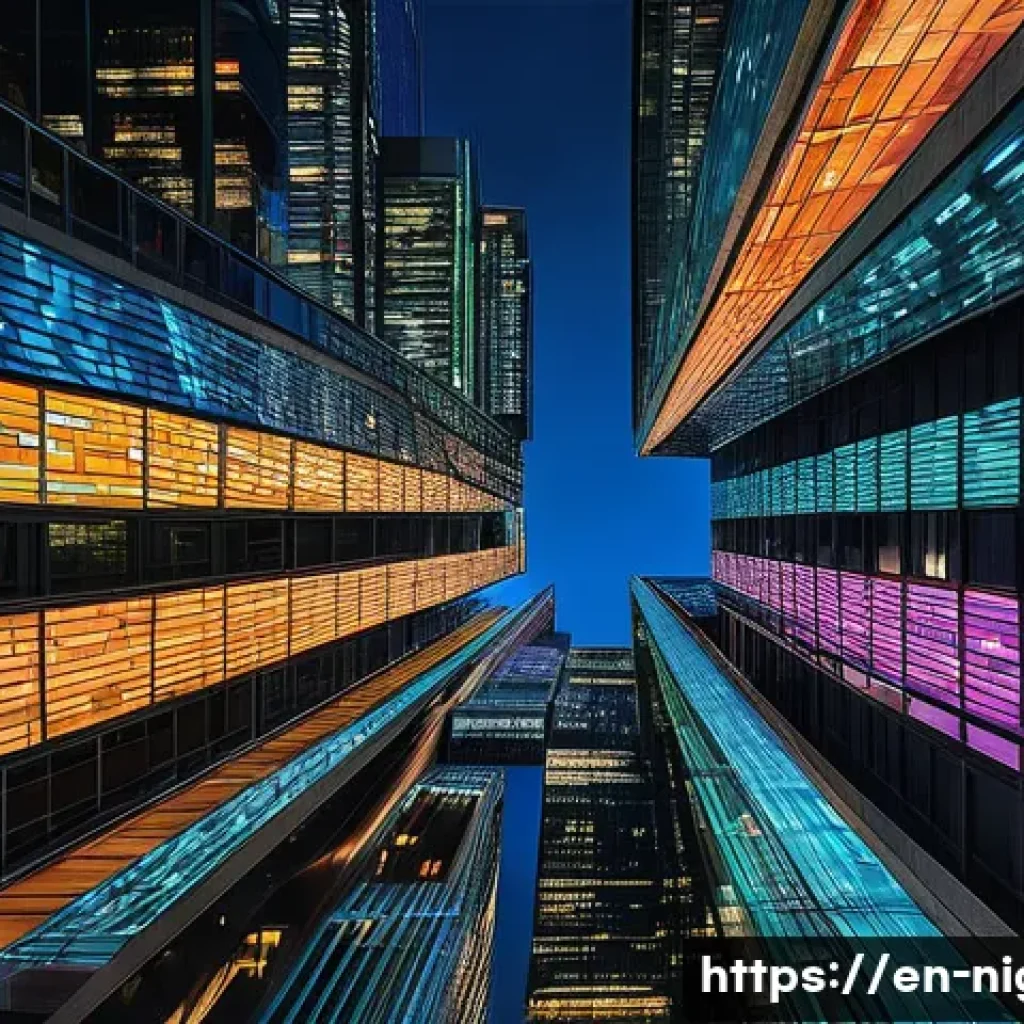
Hey there, city explorers and skyline enthusiasts! I’ve always been captivated by the magic that unfolds in our urban landscapes as day turns to night.
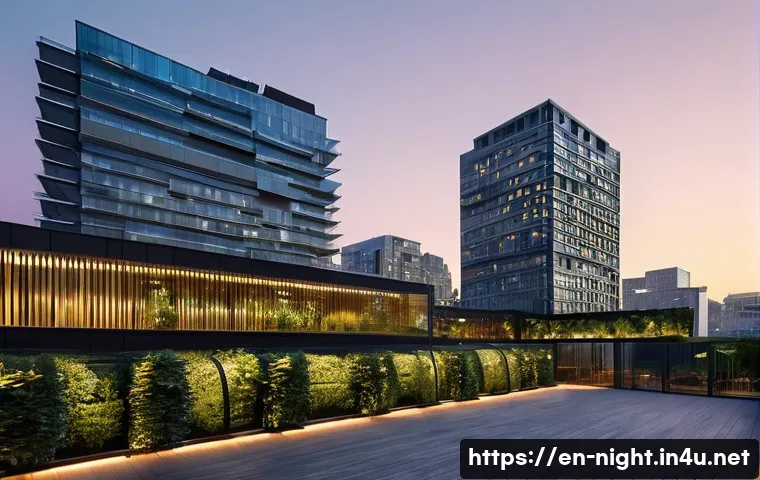
There’s just something about those towering skyscrapers, usually so stoic and imposing, that totally transforms when the lights come on, isn’t there? It’s like the city itself wakes up in a whole new, dazzling way.
But lately, I’ve been noticing something truly special happening with those night views – a fascinating evolution far beyond simple illumination. Gone are the days when building lights were just, well, lights.
Today, what we’re witnessing is an incredible fusion of art, cutting-edge technology, and a real commitment to our planet. I’ve seen firsthand how these majestic structures are becoming dynamic canvases, painting the night sky with stunning, ever-changing displays.
It’s not just about aesthetics anymore; it’s about smart design, energy efficiency, and even how these lights can boost a city’s vibrancy and safety. From interactive facades that tell stories to eco-friendly LED systems that respond to real-time conditions, the future of our urban nightscapes is brighter and more intelligent than ever before.
Honestly, every time I look up, I feel this rush of excitement about what architects and designers are creating. It truly feels like we’re stepping into a new era where buildings aren’t just concrete and steel, but living, breathing elements of our cities, constantly adapting and inspiring.
So, are you ready to dive into the dazzling world of modern skyscraper lighting? Let’s explore this in detail!Hey there, city explorers and skyline enthusiasts!
I’ve always been captivated by the magic that unfolds in our urban landscapes as day turns to night. There’s just something about those towering skyscrapers, usually so stoic and imposing, that totally transforms when the lights come on, isn’t there?
It’s like the city itself wakes up in a whole new, dazzling way. But lately, I’ve been noticing something truly special happening with those night views – a fascinating evolution far beyond simple illumination.
Gone are the days when building lights were just, well, lights. Today, what we’re witnessing is an incredible fusion of art, cutting-edge technology, and a real commitment to our planet.
I’ve seen firsthand how these majestic structures are becoming dynamic canvases, painting the night sky with stunning, ever-changing displays. It’s not just about aesthetics anymore; it’s about smart design, energy efficiency, and even how these lights can boost a city’s vibrancy and safety.
From interactive facades that tell stories to eco-friendly LED systems that respond to real-time conditions, the future of our urban nightscapes is brighter and more intelligent than ever before.
Honestly, every time I look up, I feel this rush of excitement about what architects and designers are creating. It truly feels like we’re stepping into a new era where buildings aren’t just concrete and steel, but living, breathing elements of our cities, constantly adapting and inspiring.
So, are you ready to dive into the dazzling world of modern skyscraper lighting? Let’s explore this in detail!
The Art of Light: Transforming Skylines into Dynamic Canvases
My friends, if you’ve been following my urban adventures, you’ll know I’m absolutely obsessed with how cities come alive after dark. And honestly, nothing captures that magic quite like the evolving artistry of skyscraper lighting.
It’s moved so far beyond just functional illumination; what we’re seeing now is a deliberate, breathtaking effort to turn monumental structures into living, breathing works of art.
I remember a few years ago, walking through downtown New York, and thinking how pretty the static lights were. But fast forward to today, and it’s a whole different ballgame.
Buildings aren’t just lit up; they’re telling stories, evoking moods, and even celebrating events with incredible, dynamic displays. This isn’t just about throwing some lights on a building; it’s about meticulously choreographed light shows, often integrating advanced projection mapping and customizable LED systems that painters could only dream of.
The impact on the city’s overall vibe is immense; it feels more vibrant, more engaging, and definitely more photo-worthy! I’ve personally spent hours just watching these transformations unfold, and every time, I’m genuinely blown away by the creativity and technical prowess involved.
It really makes you appreciate the thought that goes into shaping our urban experience after sunset, turning what could be a dull concrete jungle into something truly spectacular and memorable.
From Static Glow to Dynamic Storytelling
Gone are the days when a building’s night appearance was a fixed, unchanging glow. Now, architects and lighting designers are using facades as vast, three-dimensional screens.
I’ve seen buildings in London and Dubai literally change their “skin” with animated patterns, flowing colors, and even intricate narratives that unfold over minutes.
It’s like a silent movie played out on a monumental scale, right there in the heart of the city. These aren’t just random flashes; they’re often carefully planned installations designed to interact with the environment or commemorate specific events.
It’s a truly immersive experience that blurs the lines between architecture and performance art.
Interactive Facades: When Buildings Engage
What truly excites me about this artistic evolution is the growing trend of interactive lighting. Imagine standing on a street and seeing a skyscraper’s lights respond to sound, movement, or even touch!
While still in its nascent stages for many cities, I’ve had the chance to experience installations where public interaction directly influences the light display.
It’s an incredible feeling to be a part of the artwork, rather than just an observer. This engagement fosters a deeper connection between people and their urban environment, making our skylines feel less imposing and more approachable, almost like a giant, friendly canvas.
Embracing the Green Glow: Sustainable Lighting Taking Over Our Cities
Honestly, for a long time, the sheer amount of energy poured into lighting up our cities at night always nagged at the back of my mind. It felt a bit indulgent, you know?
But what’s truly encouraging now is how sustainability has moved from an afterthought to a central pillar in modern skyscraper lighting design. We’re not just talking about swapping out old bulbs for LEDs anymore, although that’s a huge part of it.
It’s about comprehensive, intelligent systems designed to minimize light pollution, conserve energy, and even support urban wildlife. I’ve been fascinated by how designers are approaching this, not as a limitation, but as an exciting challenge to innovate.
My own utility bills have definitely made me appreciate efficiency, and seeing it applied on such a grand scale is truly inspiring. It’s fantastic to witness how architects and urban planners are now thinking holistically about a building’s environmental footprint, even after the sun goes down, ensuring our dazzling nightscapes don’t come at an unsustainable cost to the planet we all share.
LED Revolution: Powering Efficiency and Creativity
The widespread adoption of LED technology has been a game-changer, not just for its incredible energy efficiency, but also for the creative freedom it offers.
I’ve heard from lighting designers that LEDs provide unparalleled control over color, intensity, and even individual light points, allowing for highly complex and nuanced displays that were impossible with older technologies.
This means less energy wasted on static, all-on-or-all-off lighting, and more dynamic control. It’s a win-win: stunning visual effects with a significantly smaller carbon footprint.
Smart Lighting Systems: Responding to the Environment
Beyond just efficient bulbs, the real magic happens when these lights are integrated into smart systems. I’ve learned about buildings using sensors to detect ambient light levels, occupancy, or even weather conditions, adjusting their lighting automatically.
This means lights aren’t blazing away unnecessarily when it’s still twilight or when a particular area is empty. Some systems are even designed to dim or change color to minimize impact on migratory birds, a truly thoughtful touch that shows how far we’ve come in harmonizing urban development with nature.
Smart City, Smart Lights: How Technology is Revolutionizing Facades
I’ve always been a bit of a tech enthusiast, so seeing how deeply technology is integrated into today’s skyscraper lighting really gets me excited. We’re far past simple timers and switches; we’re talking about sophisticated digital brains controlling every flicker and fade across immense building surfaces.
It’s genuinely mind-boggling to think about the amount of computational power and engineering that goes into these dynamic displays. What I find particularly fascinating is how these lighting systems are becoming integral components of the larger “smart city” ecosystem, sometimes even communicating with other urban infrastructure.
It’s no longer just about aesthetics; it’s about making our cities more intelligent, responsive, and ultimately, more livable. Walking through a city at night now, I often wonder about the complex algorithms and networks working silently behind the scenes to create these stunning visual tapestries.
It adds another layer of appreciation for the sheer ingenuity of modern urban design.
Integrated Control Systems: The Brains Behind the Glow
At the heart of these modern lighting marvels are advanced integrated control systems. I’ve heard experts describe them as the “central nervous system” of a building’s facade.
These systems allow for granular control over thousands, sometimes millions, of individual light points. This precision enables designers to create intricate patterns, animations, and even video content across entire skyscrapers.
From a centralized control room, operators can program complex light shows, adjust brightness, or change colors in real-time, offering unprecedented flexibility and creative possibilities for the urban canvas.
IoT and Connectivity: Lighting Up the Future
The Internet of Things (IoT) is playing an increasingly vital role in skyscraper lighting. Many new installations are now connected to the internet, allowing for remote monitoring, diagnostics, and even real-time updates.
Imagine a building’s lighting being able to communicate with city traffic systems to subtly guide pedestrians, or instantly changing its display to alert citizens about an emergency.
While still emerging, the potential for these connected lighting networks to enhance urban safety, efficiency, and information dissemination is truly immense, painting a picture of a smarter, more responsive city.
Safety and Serenity: The Unsung Heroes of Urban Nightscapes
Beyond the glitz and glamour, there’s a deeply practical and wonderfully human side to modern skyscraper lighting that I’ve grown to appreciate immensely: its role in enhancing urban safety and fostering a sense of serenity.
I mean, let’s be real, a well-lit street just feels safer, right? But now, it’s not just about broad, harsh illumination. Designers are strategically using light to delineate pathways, highlight architectural features, and create a visually comfortable environment that deters crime without feeling overwhelming.
I’ve often walked through areas that used to feel a bit dodgy at night and seen them transformed by intelligent, ambient lighting, making them feel inviting and secure.
It really goes to show how thoughtful design can have such a profound impact on our daily experiences and sense of well-being within the city. It’s about blending functionality with beauty, making our urban spaces not just look good, but *feel* good too, for everyone who naviges them after dusk.
Targeted Illumination: Guiding and Securing
Modern lighting design for skyscrapers extends beyond just making the building itself look good. It often incorporates sophisticated ground-level and perimeter lighting that contributes significantly to public safety.
I’ve noticed how carefully placed lights can illuminate building entrances, pedestrian walkways, and public plazas, reducing dark corners where crime might flourish.
This targeted approach ensures that light is directed precisely where it’s needed, providing clear visibility for people and security cameras, making urban environments feel much more secure after sunset.
Minimizing Glare and Light Pollution: A Kinder Glow
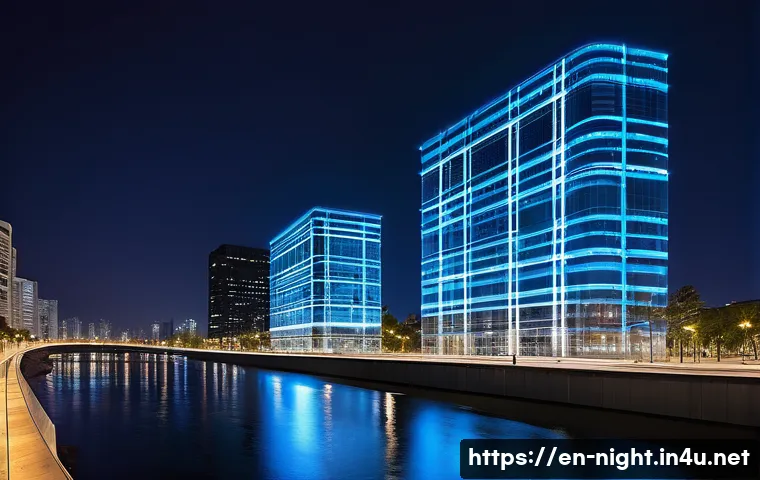
One of the biggest complaints about traditional urban lighting used to be glare and excessive light pollution, washing out the night sky and bothering residents.
I used to hate how some bright lights would just spill everywhere. However, current trends in skyscraper lighting are focused on mitigating these issues through precise optical controls and careful shielding.
This means light is contained to the building facade and surrounding areas without needlessly illuminating the sky or shining directly into people’s apartments.
The goal is to create a luminous, inviting nightscape that is also considerate of city dwellers and the wider environment, allowing for both safety and the beauty of a starlit sky.
The Economic Radiance: Boosting City Appeal and Real Estate Value
Okay, let’s talk about something that might not immediately spring to mind when you think about pretty lights: the cold, hard cash. I’ve learned that the dazzling displays on our skyscrapers aren’t just eye candy; they’re savvy investments that significantly boost a city’s appeal and, believe it or not, can even drive up real estate values.
When a city lights up its iconic structures with creativity and flair, it instantly becomes a more attractive destination for tourists, which means more money flowing into local businesses.
And honestly, who wouldn’t want to live or work in a city that looks like a futuristic wonderland every night? I’ve seen firsthand how a beautifully lit skyline becomes a powerful branding tool, drawing in businesses and residents alike.
It’s a testament to how art and commerce can intertwine, creating a vibrant urban tapestry that’s both aesthetically pleasing and economically powerful.
It just makes perfect sense when you think about it: a city that shines bright often reaps brighter economic rewards.
Tourism Magnets: Drawing Crowds After Dark
Iconic, beautifully lit skyscrapers become instant tourist attractions. I’ve observed countless visitors, myself included, flocking to vantage points to capture photos and videos of these illuminated giants.
Cities like Hong Kong, Dubai, and New York have masterfully leveraged their lit-up skylines to create unforgettable experiences that draw millions, even after the shops close.
This influx of tourism fuels local economies, from hotels and restaurants to public transportation and entertainment venues, proving that well-designed lighting is a powerful economic engine.
Branding and Prestige: A City’s Signature
Beyond tourism, sophisticated skyscraper lighting acts as a powerful branding tool for a city. A unique and memorable illuminated skyline creates a distinctive identity, enhancing a city’s global prestige.
For businesses, a prime location within a beautifully lit district can add to their corporate image and attractiveness for employees. I’ve seen how companies often feature their building’s nightly appearance in marketing materials, understanding that a visually stunning presence contributes to their perceived value and modernity, signaling innovation and success.
From Grand Designs to Daily Life: My Favorite Lighting Innovations
Alright, after rambling on about all the technicalities and big picture stuff, I want to bring it down to a more personal level. What truly makes me smile are the specific innovations I’ve encountered that feel like they’re directly enhancing our urban lives.
It’s not always about the biggest, brightest spectacle; sometimes, it’s the thoughtful details that truly make a difference. I’ve been fortunate enough to travel quite a bit and witness some incredible lighting solutions that aren’t just pretty but genuinely smart and considerate.
These are the touches that make a city feel more human, more welcoming, and just plain better to live in. It’s about lighting that adds a sparkle to our evening strolls, makes us feel a little safer, or simply makes us pause and appreciate the beauty around us.
These little moments, amplified by clever lighting, are what truly connect us to the urban environment.
| Lighting Feature | Description | Benefits | Typical Application |
|---|---|---|---|
| Dynamic Color Changing LEDs | High-efficiency LED fixtures capable of producing millions of colors, controlled digitally to create fluid animations and artistic displays. | Unmatched aesthetic versatility, energy efficiency, long lifespan, low maintenance. | Facade lighting, architectural highlights, public art installations. |
| Interactive Projection Mapping | High-lumen projectors cast dynamic visuals onto building surfaces, often responsive to real-time data, sound, or audience interaction. | Creates immersive, engaging experiences, transforms static surfaces into vibrant canvases, high impact for events. | Temporary installations, cultural festivals, brand activations, landmark buildings. |
| Smart Occupancy Sensors | Integrated sensors that detect human presence, dimming or turning off lights in unoccupied areas to save energy. | Significant energy savings, reduced light pollution, extended fixture life, improved safety in specific zones. | Office buildings, residential towers (internal common areas), parking garages. |
| Bird-Friendly Lighting Design | Use of specific light temperatures (warmer tones), downward-facing fixtures, and programmed dimming schedules during migratory seasons. | Minimizes disorientation and collisions for migratory birds, supports biodiversity, aligns with environmental goals. | Skyscrapers in migratory bird flyways, eco-conscious urban developments. |
Personalized Lightscapes: A Touch of Human Connection
What really resonates with me are the projects that leverage lighting to foster a sense of community or individual experience. I’ve seen smaller-scale installations where residents can even choose the color of a shared building facade for a special occasion, or where public art pieces respond to the collective mood of a plaza.
It’s these intimate touches that transform towering structures from cold monuments into responsive, almost sentient parts of our daily lives, making the city feel less overwhelming and more like a shared home.
Emergency and Informative Lighting: Beyond the Flash
While the spectacular light shows grab headlines, I’m equally impressed by the practical, life-saving applications of advanced lighting. Think about skyscrapers that can quickly change their facade colors to indicate emergency situations, guiding people to safety or communicating vital information to the public in a crisis.
I’ve seen concepts where entire building faces could display evacuation routes or real-time alerts. It’s a brilliant fusion of aesthetics and critical urban functionality that truly demonstrates the untapped potential of our illuminated skylines for public good.
Challenges and Bright Futures: The Road Ahead for Urban Lighting
As much as I adore the dazzling transformation of our cityscapes, I’m also keenly aware that it’s not all sunshine and rainbows. There are real challenges that architects, designers, and city planners grapple with when pushing the boundaries of skyscraper lighting.
We’re talking about significant upfront costs for these sophisticated systems, the ongoing energy demands (even with efficiency, it’s still substantial), and the ever-present debate around light pollution and its impact on both human well-being and ecosystems.
It’s a delicate balancing act, trying to create stunning visual experiences without negatively affecting residents or the environment. But here’s the thing: every time I think about these hurdles, I also see incredible innovation rising to meet them.
The future, in my humble opinion, is not just about brighter lights, but smarter, more responsible, and profoundly integrated lighting solutions that enhance our urban lives in ways we’re just beginning to imagine.
The journey is ongoing, and I’m personally excited to see what marvels unfold next as cities continue to refine their nocturnal identities.
Navigating the Light Pollution Debate
One of the most pressing challenges is finding the right balance between creating vibrant nightscapes and mitigating light pollution. I’ve heard many discussions about how excessive or misdirected light can disrupt circadian rhythms, obscure stargazing, and negatively impact wildlife, particularly migratory birds.
Cities are increasingly implementing “dark sky” initiatives and strict lighting ordinances to control upward light spill and intensity. The goal is to ensure that our stunning urban displays don’t come at the expense of our health or the natural world, prompting designers to innovate with more precisely directed and adaptive lighting solutions.
Cost vs. Innovation: The Economic Equation
Implementing cutting-edge skyscraper lighting systems involves a significant financial investment, both in terms of initial installation and ongoing maintenance.
While the energy efficiency of LEDs helps offset operational costs, the complexity of dynamic, integrated systems can still be substantial. However, I’ve seen how developers and city governments increasingly view these lighting projects not just as expenses, but as strategic investments that enhance a building’s value, attract tourism, and bolster a city’s global image, leading to a long-term return on investment that justifies the upfront expenditure.
Concluding Thoughts
Well, my friends, what a journey we’ve been on, exploring the incredible world of skyscraper lighting! It’s truly mind-blowing to think how far we’ve come from simple floodlights to these sophisticated, dynamic canvases that grace our urban skies. I remember feeling a sense of wonder the first time I saw a building facade come alive with light, and that feeling hasn’t faded one bit. In fact, learning about the intricacies of sustainable design, smart city integration, and even the economic ripple effect these luminous giants create, has only deepened my appreciation. It’s not just about pretty lights; it’s about clever engineering, artistic vision, and a commitment to making our cities more vibrant, safer, and more conscious of their environmental footprint. I’ve personally spent countless evenings just gazing up, sometimes with a coffee, sometimes with my camera, completely captivated by the stories these buildings tell. It really makes you feel connected to the heartbeat of a city, doesn’t it? As we look to the future, I’m genuinely excited to see how these innovations continue to shape our urban experience after dark, turning every skyline into an evolving masterpiece that engages and inspires us all. It’s truly a testament to human ingenuity and our endless desire to illuminate and elevate our world.
Useful Information to Know
Here are a few quick tips and insights I’ve picked up on my urban lighting adventures that might just enhance your next city stroll or even influence how you think about lighting in your own life:
1. Look for the “Dark Sky Friendly” Labels: If you’re passionate about reducing light pollution and want to support businesses and cities doing their part, keep an eye out for lighting fixtures or urban initiatives that are certified “Dark Sky Friendly.” These often use shielded, downward-facing lights with warmer color temperatures (below 3000K), minimizing sky glow and protecting our view of the stars and nocturnal wildlife.
2. LEDs Aren’t Just for Savings, They’re for Art: While we all love the energy savings LEDs bring, their true superpower in modern skyscraper lighting is the artistic freedom they offer. The ability to control millions of individual light points with precision allows for dynamic, high-definition displays that were simply impossible with older technologies. It’s where efficiency meets pure creative expression.
3. Your City’s Lights Might Be Smarter Than You Think: Many modern urban lighting systems are integrating with smart city technologies. This means they might be using sensors to detect traffic, pedestrians, or even weather conditions to adjust brightness in real-time. It’s all about providing light where and when it’s needed, boosting safety and saving energy.
4. Lighting Can Boost Local Economies: Believe it or not, a well-lit and aesthetically pleasing skyline or business district can significantly impact tourism and local commerce. These dazzling displays draw visitors, encourage longer dwell times, and enhance a city’s brand image, leading to increased footfall and revenue for local businesses.
5. Consider the “Human-Centric” Approach: This is a trend I’m personally excited about! Human-centric lighting (HCL) is all about designing light to support human well-being, aligning with our natural circadian rhythms. While often discussed for interiors, the principles can extend to urban spaces, using tunable white and dynamic lighting to create more comfortable and less disruptive night environments.
Key Takeaways
Wrapping things up, it’s clear that the world of skyscraper lighting is a vibrant, ever-evolving frontier that deeply influences our urban experience. We’ve seen how lighting has transcended its basic function to become a powerful tool for artistic expression, transforming static structures into dynamic visual narratives that captivate and inspire. From a sustainability standpoint, the shift towards intelligent LED systems, often integrated with renewable energy sources and smart controls, is making our glittering skylines more energy-efficient and environmentally responsible than ever before. This conscious effort to minimize light pollution and consider ecological impacts truly shows how forward-thinking urban design can be. Furthermore, the integration of these advanced lighting systems into the broader “smart city” framework is revolutionizing how our urban environments interact with us, enhancing safety, providing critical information, and making our metropolises more responsive and livable. And let’s not forget the undeniable economic ripple effect, where a visually stunning city can become a magnet for tourism, investment, and a sense of civic pride, directly boosting local economies. The journey of urban illumination is far from over, and I, for one, can’t wait to see the next brilliant innovations that will continue to light up our lives and redefine what a city can be after dark.
Frequently Asked Questions (FAQ) 📖
Q: What’s really behind this amazing glow-up in skyscraper lighting we’re seeing these days?
A: Oh, it’s such a fantastic question, and honestly, from what I’ve observed tracking these trends, it’s a brilliant convergence of several key factors. First off, technology, pure and simple!
The leap in LED lighting has been phenomenal. We’re talking about super energy-efficient bulbs that can be individually controlled and programmed, opening up a world of dynamic, vibrant displays that just weren’t possible with older lighting tech.
Imagine painting with light on a massive scale! Then, there’s a huge push for sustainability. Architects and developers are genuinely committed to greener buildings, and modern lighting systems are a big part of that.
They use less power, have longer lifespans, and some even integrate with smart sensors that adapt to natural light or occupancy, cutting down on waste.
And finally, artistic expression has just exploded! Buildings are no longer just functional structures; they’ve become canvases for urban art, a way for cities to express their identity, celebrate events, or simply add a touch of magic to the night sky.
It’s like architects and designers suddenly decided, “Hey, these buildings aren’t just for offices anymore, they’re giant canvases!” It’s a truly exciting time to be looking up at our cityscapes.
Q: Beyond just looking cool, how do these smart lighting systems actually help our cities and the people living in them?
A: Oh, it’s so much more than just a pretty face! I mean, who doesn’t love a stunning skyline, but the real magic happens when you look deeper at the practical benefits these advanced lighting systems bring.
From my own experience, one of the biggest wins is enhanced safety and security. Brilliantly and thoughtfully lit streets and building exteriors naturally deter crime, making people feel much safer walking around after dark.
It’s a subtle but powerful change to the urban vibe. Then, there’s the undeniable economic boost. Think about it: a vibrant, beautifully lit downtown attracts tourists, encourages people to stay out longer, explore shops, and enjoy nightlife, which directly supports local businesses and jobs.
I’ve personally seen how a well-lit street corner or a vibrantly illuminated landmark can completely change the atmosphere, turning a once-overlooked area into a bustling hub.
And let’s not forget community pride! When a city invests in dazzling, smart lighting for its iconic structures, it fosters a sense of shared identity and celebration, especially during holidays or special events.
It’s truly inspiring to see how these lights can transform a regular evening into an experience.
Q: Could you share some of the most exciting new technologies or trends in modern skyscraper lighting that are really making a difference?
A: Absolutely! This is where my inner tech geek really gets excited. I’ve been tracking this space pretty closely, and there are a few game-changers that immediately come to mind.
First up, we’re seeing a massive shift towards fully addressable LED pixels. This means each tiny light can be individually controlled, allowing for incredibly intricate, dynamic light shows that can essentially turn a skyscraper facade into a giant, high-resolution video screen.
It’s not just static colors anymore; it’s storytelling through light! Then, there are interactive facades. These are buildings whose lights can respond to environmental data – like weather patterns or even real-time traffic flow – or even be controlled by public interaction, maybe through a smartphone app.
Imagine a building whose lights ripple like water when it rains, or pulsate with the city’s heartbeat! Another fascinating trend is “human-centric” or “biometric” lighting within the buildings themselves, which adjusts color temperature and intensity throughout the day to support circadian rhythms, improving mood and productivity for occupants.
And finally, the sheer artistry of light installations is blowing me away. Architects are collaborating with light artists to create truly unique, often temporary, displays that redefine public space and offer fresh perspectives on our urban environment.
It’s a blend of innovation and creativity that just keeps evolving, and honestly, every time I see something new, I just can’t help but smile.